Thiosulfate ion → HCID 58532315, compound
Reaction equation

[Br:1][C:2]1[CH:3]=[C:4]2[NH:10][CH:9]=[CH:8][C:5]2=[N:6][CH:7]=1.[H-].[Na+].[NH2:13]Cl.S([O-])([O-])(=O)=S.[Cl-].[NH4+]>CN(C=O)C.CCOCC>[Br:1][C:2]1[CH:3]=[C:4]2[N:10]([NH2:13])[CH:9]=[CH:8][C:5]2=[N:6][CH:7]=1Participants
8
Reactant 5
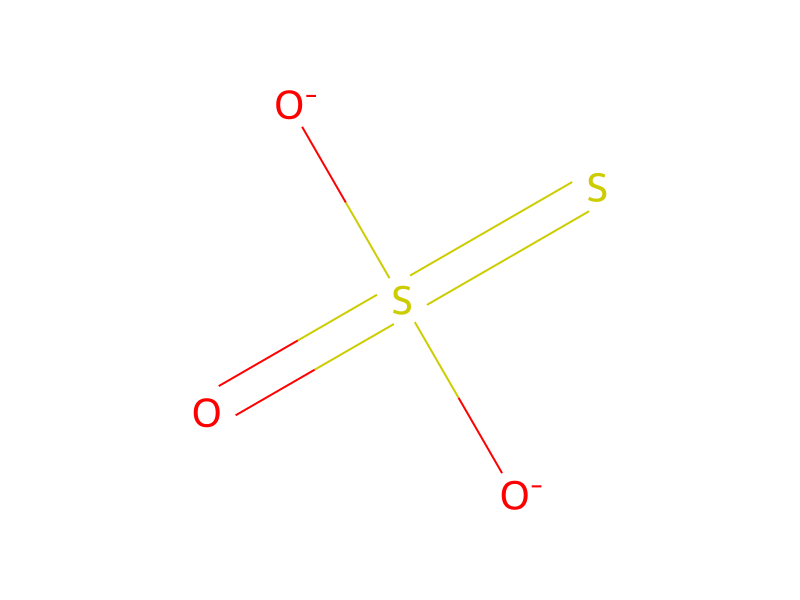




Product 1

Reagents, catalysts & solvents 2


Procedure
To a solution of 6-Bromo-1H-pyrrolo[3,2-b]pyridine (1.9 g, 10 mmol) in 20 mL of DMF at 0° C. was added NaH (60% in oil, 0.49 g, 12 mmol) in three portions. The mixture was stirred at room temperature for 30 min. A solution of NH2Cl in Et2O (prepared according to the procedure described in J. Org. Chem. 2004, 1371: ˜0.15 M, 80 mL) was added at −20° C. The mixture was warmed up to room temperature for 15 min and was poured into a saturated solution of thiosulfate and ammonium chloride, and extracted with ethyl acetate. The organic layer was concentrated and the residue washed with small amount of ethyl acetate to give pink solid (1.3 g, 62% yield)
Workup
- addition2004, 1371: ˜0.15 M, 80 mL) was added at −20° C
- temperatureThe mixture was warmed up to room temperature for 15 min
- extractionextracted with ethyl acetate
- concentrationThe organic layer was concentrated
- washthe residue washed with small amount of ethyl acetate
Sources & evidence
- ORD record
- ord-adcb3176c40941ea9d08347cdd51b507
- Source dataset
- uspto-grants-2014_12
- Patent number
- US08912330B2
Reaction notes
Loading…