Acetic Acid → Tricalcium Phosphate
Reaction equation

[OH2:1].O.O.O.[N+]([O-])([O-])=O.[Ca+2:9].[N+]([O-])([O-])=O.CO.[Ca].[P:17]([O:24]CC)([O:21]CC)[O:18]CC.C(O)(=[O:29])C.[P]>[Ag].[N+]([O-])([O-])=O.[Ag+].O>[P:17]([O-:24])([O-:29])([O-:21])=[O:18].[Ca+2:9].[P:17]([O-:24])([O-:1])([O-:21])=[O:18].[Ca+2:9].[Ca+2:9]Participants
Reactant 6




Product 1

Reagents, catalysts & solvents 3


Procedure
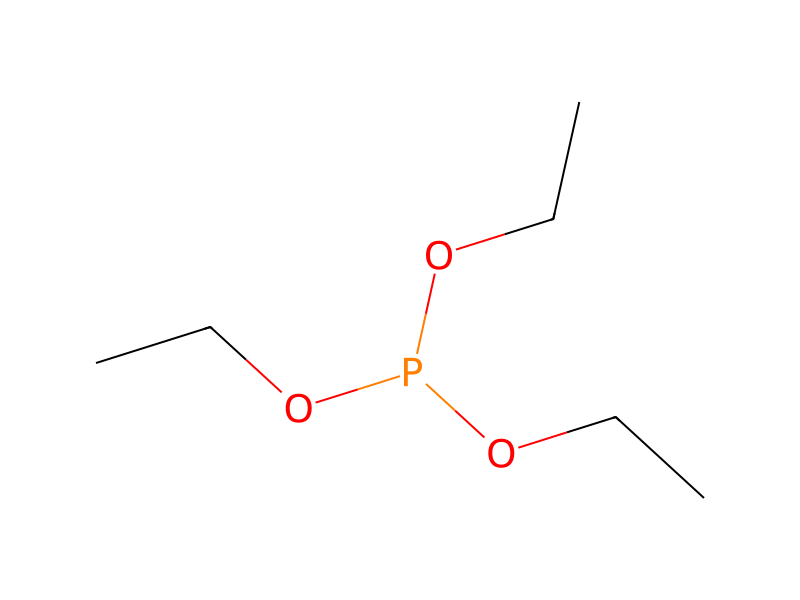
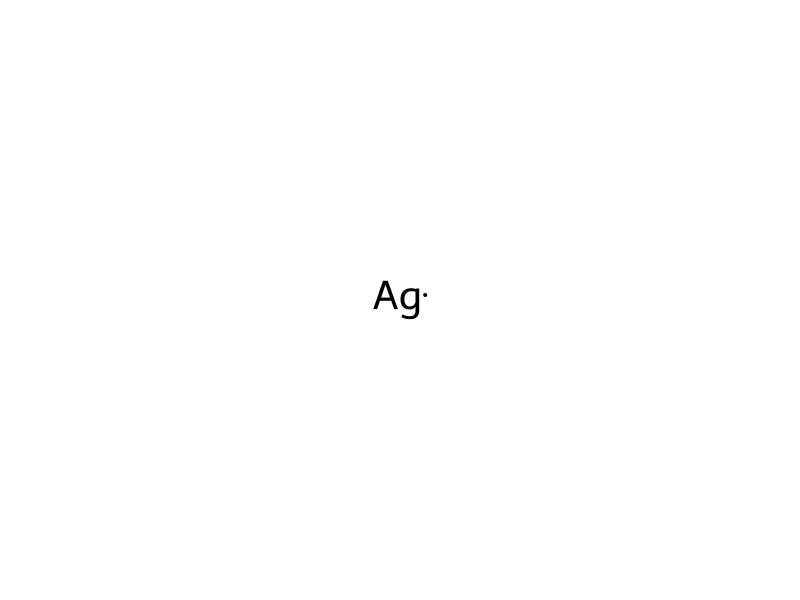
In this invention, silver-doped hydroxyapatite solution is prepared by fluxing 0.03 mol calcium nitrate tetrahydrate [Ca(NO3)2.4H2O (Aldrich 99%, USA)] in 0.3 mol methyl alcohol and is dehydrated at 150° C. After solvent evaporation, the calcium precursor is refluxed in 0.3 mol methyl alcohol for 1 hour. The 0.018 mol triethyl phosphite [(C2HSO)3P (Fluka 97%, Japan)] is fluxed in 0.15 mol methyl alcohol and pre-hydrolyzed for 5 hours in the presence of a catalyst (0.045 mol acetic acid [CH3COOH] with 0.0003 mol silver nitrate [Ag(NO3)] and 0.09 mol distilled water [H2O]). The silver-doped hydroxyapatite sol is then synthesized by reacting calcium and phosphorus precursors for 1 hour with vigorous stirring. All work is performed under an argon atmosphere. The synthesized silver-doped hydroxyapatite sol is then filtrated through a 0.45 μm syringe filter and aged at 40° C. for 120 hours. After aging, the viscosity of the silver-doped hydroxyapatite sol viscosity is 36 cps. The flow chart of the silver-doped hydroxyapatite sol preparation is shown in FIG. 5.
Workup
- customis dehydrated at 150° C
- customAfter solvent evaporation
- customfor 1 hour
- filtrationThe synthesized silver-doped hydroxyapatite sol is then filtrated through a 0.45 μm syringe
- filtrationfilter
- customThe flow chart of the silver-doped hydroxyapatite sol preparation
Sources & evidence
- ORD record
- ord-193d157a7b714b4bb623a74fb04f66ed
- Source dataset
- uspto-grants-2014_12
- Patent number
- US08916228B2
Reaction notes
Loading…