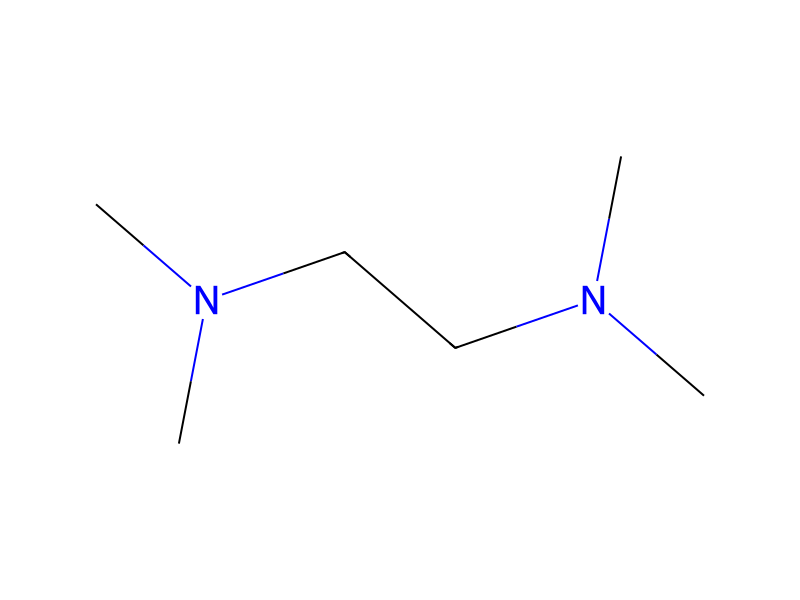
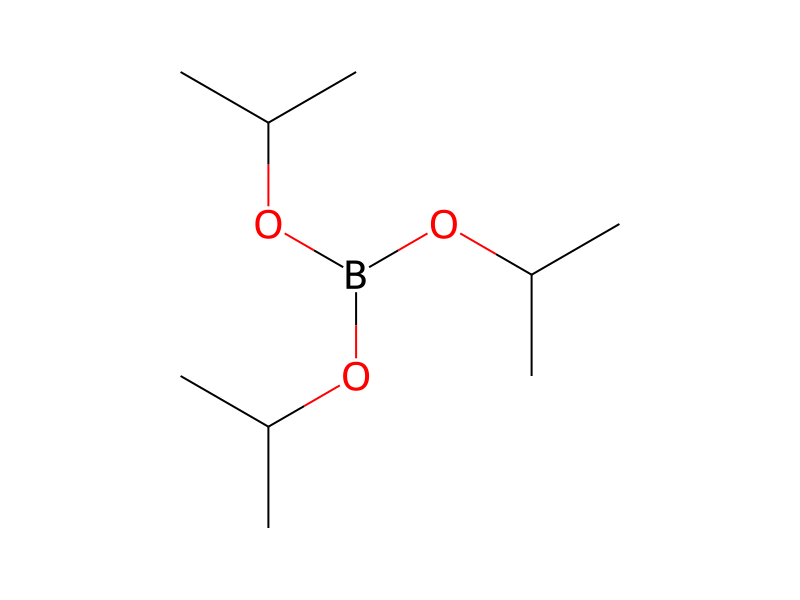
N,N,N',N'-Tetramethylethylenediamine → (5-Fluoro-1-benzofuran-2-yl)boronic acid
Reaction equation

[F:1][C:2]1[CH:3]=[CH:4][C:5]2[O:9][CH:8]=[CH:7][C:6]=2[CH:10]=1.CN(C)CCN(C)C.[Li]CCCC.[B:24](OC(C)C)([O:29]C(C)C)[O:25]C(C)C>O1CCCC1>[F:1][C:2]1[CH:3]=[CH:4][C:5]2[O:9][C:8]([B:24]([OH:29])[OH:25])=[CH:7][C:6]=2[CH:10]=1Participants




Conditions
- Temperature
- -10 °C
Procedure
To a solution of 5-fluorobenzofuran (10 g, 73.53 mmol) in dry tetrahydrofuran (250 mL) was added tetramethylethylenediamine (10.2 g, 87.93 mmol). The solution was kept below −60° C. under nitrogen, while BuLi (93.75 mmol, 2.5M solution in hexane) was added dropwise. It was warmed to −10° C. during 45 min and stirred at this temperature for another 30 min. The mixture was cooled again below −60° C. followed by dropwise addition of triisopropyl borate (41.4 g, 220.21 mmol). After warming to room temperature the mixture was quenched with hydrochloric acid (70 mL, 2N) and stirred for 1 h. The alkaline aqueous layer was brought to pH 5 and extracted with ethyl acetate (3×80 mL). All organic layers were combined, dried over sodium sulfate, and concentrated in vacuo to give 5-fluorobenzofuran-2-ylboronic acid (3.5 g, 26%) which was used for the next step without further purification.
Workup
- additionwas added dropwise
- temperatureThe mixture was cooled again below −60° C.
- temperatureAfter warming to room temperature the mixture
- customwas quenched with hydrochloric acid (70 mL, 2N)
- stirringstirred for 1 h
- extractionextracted with ethyl acetate (3×80 mL)
- dry with materialdried over sodium sulfate
- concentrationconcentrated in vacuo
Sources & evidence
- ORD record
- ord-ee463d8d4fe14ac881fd7b46e46ada8d
- Source dataset
- uspto-grants-2014_12
- Patent number
- US08916561B2
Reaction notes
Loading…