Hydrochloric Acid → HCID 59587421, compound
Reaction equation

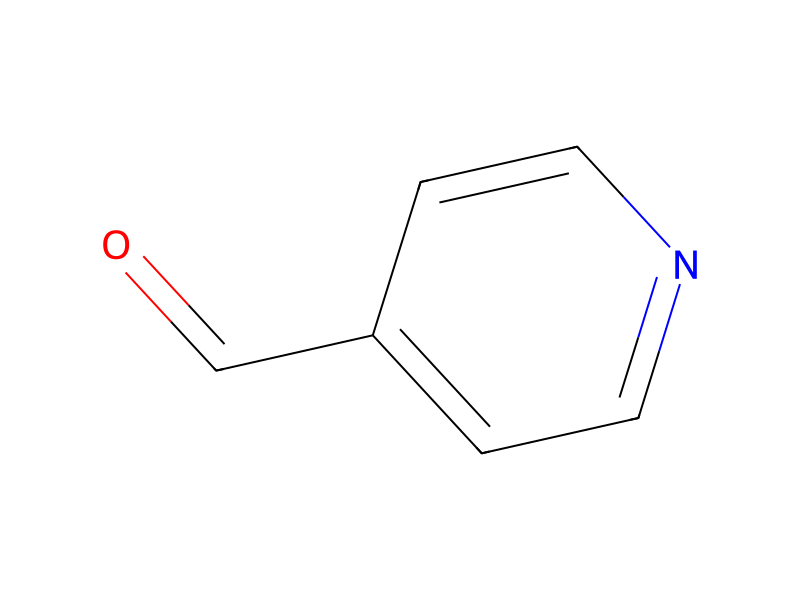
[CH3:1][O:2][C:3]1[CH:8]=[CH:7][C:6]([C:9]2[N:10]=[C:11]([C:19]3[CH:24]=[CH:23][N:22]=[CH:21][CH:20]=3)[NH:12][C:13]=2[C:14]([O:16]CC)=[O:15])=[CH:5][CH:4]=1.N1C=CC(C=O)=CC=1.[OH-].[K+].Cl>CO>[CH3:1][O:2][C:3]1[CH:4]=[CH:5][C:6]([C:9]2[N:10]=[C:11]([C:19]3[CH:20]=[CH:21][N:22]=[CH:23][CH:24]=3)[NH:12][C:13]=2[C:14]([OH:16])=[O:15])=[CH:7][CH:8]=1Participants
Reactant 4



Product 1

Reagents, catalysts & solvents 1

Conditions
- Temperature
- 55 °C
Procedure
To a solution of ethyl 4-(4-methoxyphenyl)-2-(pyridin-4-yl)-1H-imidazole-5-carboxylate (0.089 g, 0.28 mmol, prepared (using pyridine-4-carboxaldehyde in place of benzaldehyde) according to the method outlined in Example A-1, step c), in methanol was added 1M aqueous potassium hydroxide (5 m, 5.0 mmol) and the resulting mixture stirred at 55° C. for 48 hours. The solution was cooled to room temperature, neutralised by the addition of 0.5M aqueous HCl and extracted with DCM. The aqueous phase was then acidified by the addition of acetic acid and purified by SPE using MP-TsOH cartridges (2×1000 mg) to afford 4-(4-methoxyphenyl)-2-(pyridin-4-yl)-1H-imidazole-5-carboxylic acid (0.090 g) as an orange oil which was used without further purification. LCMS (2) Rt: 1.20 min; m/z (ES+) 296.
Workup
- temperatureThe solution was cooled to room temperature
- extractionextracted with DCM
- additionThe aqueous phase was then acidified by the addition of acetic acid
- custompurified by SPE
Sources & evidence
- ORD record
- ord-72601ed6fa034583a8adaa152c85f761
- Source dataset
- uspto-grants-2014_12
- Patent number
- US08921544B2
Reaction notes
Loading…