Sodium → 4-t-Butoxycarbonyl-3-[2-(methylthio)ethyl]piperazinone
Reaction equation

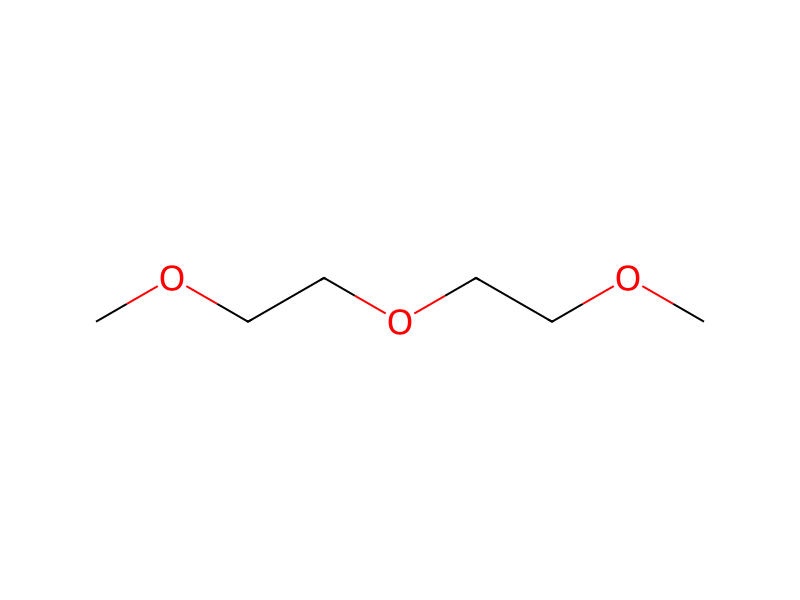
[Na].[C:2]([O:6][C:7]([N:9]1[CH2:14][CH2:13][N:12](CC2C=CC=CC=2)[C:11](=[O:22])[CH:10]1[CH2:23][CH2:24][S:25][CH3:26])=[O:8])([CH3:5])([CH3:4])[CH3:3]>COCCOCCOC.N>[C:2]([O:6][C:7]([N:9]1[CH2:14][CH2:13][NH:12][C:11](=[O:22])[CH:10]1[CH2:23][CH2:24][S:25][CH3:26])=[O:8])([CH3:5])([CH3:4])[CH3:3]Participants
5



Procedure
Sodium metal (1.3 g., 0.057 mole) is added to a stirred solution of 4-t-butoxycarbonyl-3-[2-(methylthio)ethyl]-1-(phenylmethyl)-2-piperazinone (XVI, Example 42, 3.71 g., 0.01 mole) in diglyme (100 ml.) and ammonia (500 ml.) at -60°. The solution is allowed to reflux for 2 hours, the ammonia is allowed to evaporate and the diglyme is removed at 20°-25° under reduced pressure. The residue is partitioned between diethylether and water. Evaporation of the diethylether gives the title compound.
Workup
- temperatureto reflux for 2 hours
- customto evaporate
- customthe diglyme is removed at 20°-25° under reduced pressure
- customThe residue is partitioned between diethylether and water
- customEvaporation of the diethylether
Sources & evidence
- ORD record
- ord-1f4b894935ef43ee9f4c4a391f92a241
- Source dataset
- uspto-grants-1981_02
- Patent number
- US04251438
Reaction notes
Loading…