Phosphorus trichloride → HCID 6320223, compound
Reaction equation

[Cl:1][C:2]1[CH:3]=[C:4]2[C:9](=[CH:10][C:11]=1[Br:12])[N+:8]([O-])=[C:7]([C:14]([O:16][CH2:17][CH3:18])=[O:15])[C:6](=[O:19])[NH:5]2.P(Cl)(Cl)Cl>C1COCC1>[Cl:1][C:2]1[CH:3]=[C:4]2[C:9](=[CH:10][C:11]=1[Br:12])[N:8]=[C:7]([C:14]([O:16][CH2:17][CH3:18])=[O:15])[C:6](=[O:19])[NH:5]2Participants
4
Reactant 2
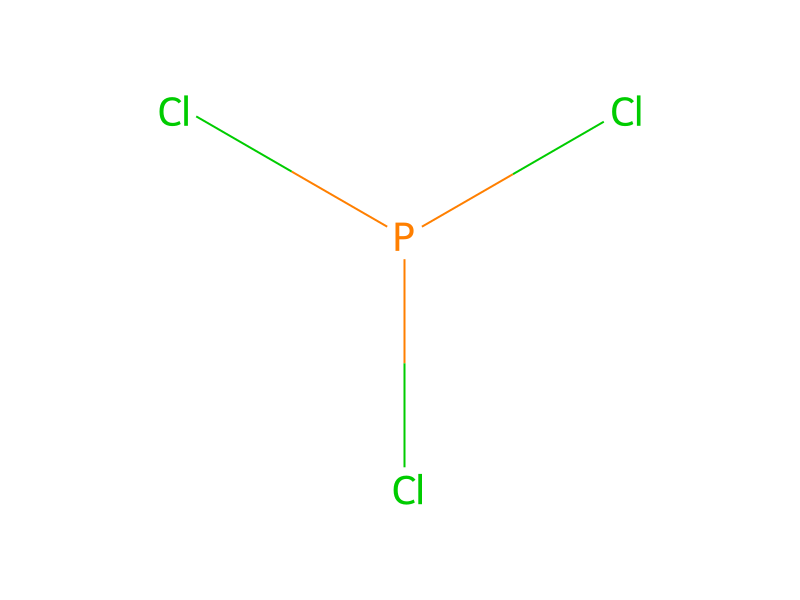

Product 1

Reagents, catalysts & solvents 1

Procedure
One gram of ethyl 6-chloro-7-bromo-3,4-dihydro-3-oxo-2-quinoxaline carboxylate N-oxide was dissolved in 50 ml. of THF. Six ml. of phosphorus trichloride were added and the resulting mixture heated gently at refluxing temperature overnight. The reaction mixture was poured into 500 ml. of an ice-water mixture. A solid, comprising ethyl 6-chloro-7-bromo-3,4-dihydro-3-oxo-2-quinoxaline carboxylate formed in the above reaction, was separated by filtration; melting point=203°-205° C.; yield=0.6 g.
Workup
- temperaturethe resulting mixture heated gently
- temperatureat refluxing temperature overnight
- additionThe reaction mixture was poured into 500 ml
Sources & evidence
- ORD record
- ord-c20e91ba57e14715877ad7c00aeaca08
- Source dataset
- uspto-grants-1981_02
- Patent number
- US04252954
Reaction notes
Loading…