Hydrochloric Acid → HCID 606145, compound
Reaction equation

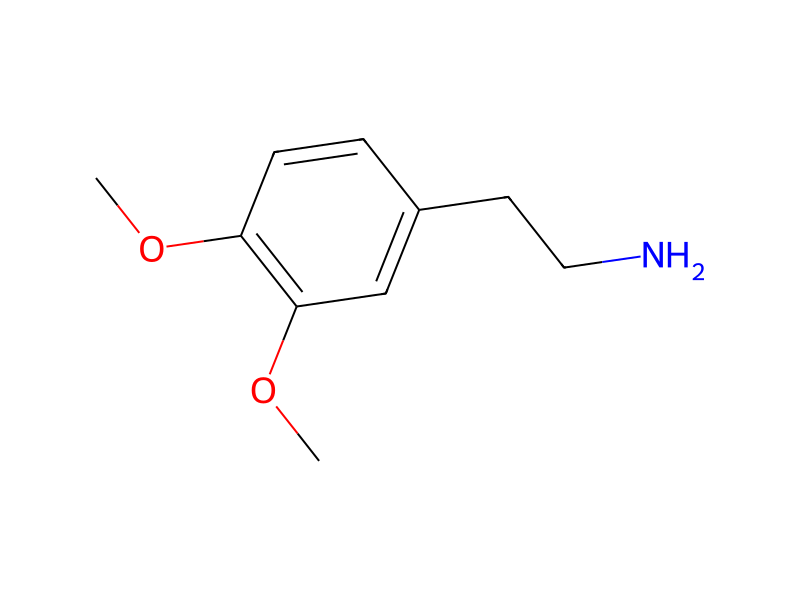
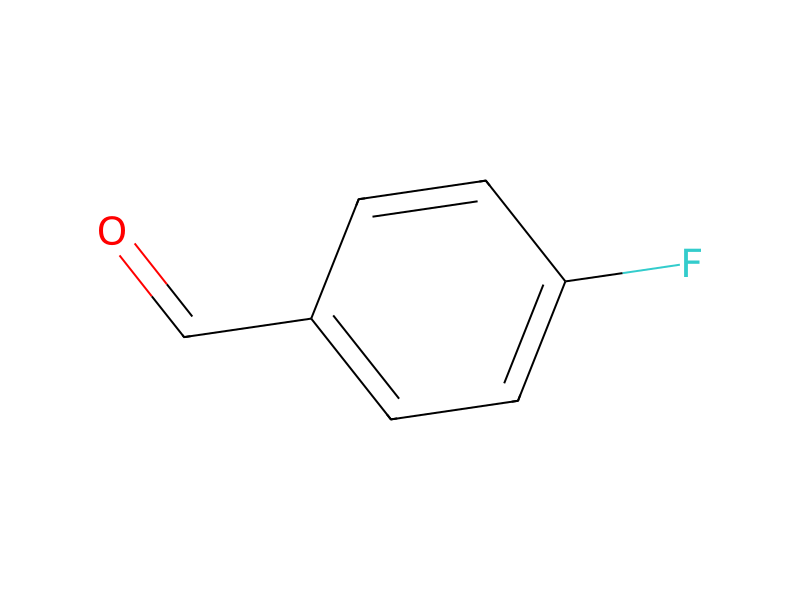
[F:1][C:2]1[CH:9]=[CH:8][C:5]([CH:6]=O)=[CH:4][CH:3]=1.[CH3:10][O:11][C:12]1[CH:13]=[C:14]([CH:18]=[CH:19][C:20]=1[O:21][CH3:22])[CH2:15][CH2:16][NH2:17].Cl.[OH-].[Na+]>>[CH3:10][O:11][C:12]1[CH:13]=[C:14]2[C:18](=[CH:19][C:20]=1[O:21][CH3:22])[CH:6]([C:5]1[CH:8]=[CH:9][C:2]([F:1])=[CH:3][CH:4]=1)[NH:17][CH2:16][CH2:15]2Participants
5



Procedure
50 parts of p-fluorobenzaldehyde and 65 parts of 3,4-dimethoxyphenethylamine are combined and heated over a steam bath in a nitrogen atmosphere for 90 minutes. Then 800 parts by volume of 20% by weight hydrochloric acid is added and heating is continued for an additional 3 hours. The reaction mixture is cooled, made alkaline with sodium hydroxide and extracted with methylene chloride. The organic layer is dried over anhydrous calcium sulfate and stripped in vacuo to give 6,7-dimethoxy-1-(4-fluorophenyl)-1,2,3,4-tetrahydroisoquinoline. After crystallization from a mixture of ethyl ether and n-hexane, that product melts at about 145°-150°C.
Workup
- temperatureheated over a steam bath in a nitrogen atmosphere for 90 minutes
- temperatureheating
- temperatureThe reaction mixture is cooled
- extractionextracted with methylene chloride
- dry with materialThe organic layer is dried over anhydrous calcium sulfate
Sources & evidence
- ORD record
- ord-a9593398e4a94a2289b99bd7caaa728b
- Source dataset
- uspto-grants-1977_01
- Patent number
- US04001244
Reaction notes
Loading…