Hydrochloric Acid → 1-Benzyl-2,4-dioxoimidazolidine-3-acetic acid
Reaction equation

NC(N)=[O:3].[N+]([C:8]1[CH:9]=[C:10]([CH:24]=[CH:25][CH:26]=1)[CH2:11][N:12]1[C:16](=O)[C:15](=[O:18])[N:14]([CH2:19][C:20]([OH:22])=[O:21])[C:13]1=C)([O-])=O.Cl>C(O)(=O)C>[CH2:11]([N:12]1[CH2:16][C:15](=[O:18])[N:14]([CH2:19][C:20]([OH:22])=[O:21])[C:13]1=[O:3])[C:10]1[CH:24]=[CH:25][CH:26]=[CH:8][CH:9]=1Participants
5
Reactant 3

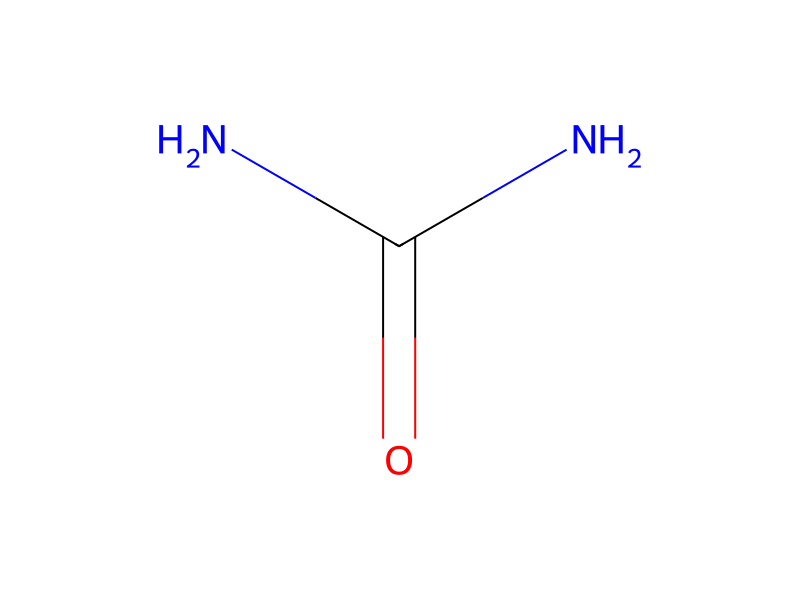

Product 1

Reagents, catalysts & solvents 1

Procedure
A mixture of 1.7 g of the above-prepared urea product of paragraph (1) dissolved in 3 mL of acetic acid and 1 mL of concentrated hydrochloric acid was heated to reflux for four hours. After evaporating the solvent therefrom, 3 mL of acetic acid and 1 mL of concentrated hydrochloric acid were added to the residue followed by stirring for two hours. The resulting component was concentrated, washed well with water and recrystallized from ethanol to give 1.2 g of 1-benzyl-2,4-dioxoimidazolidine-3-acetic acid [Compound 3]. The melting point, MS, IR, NMR, and elementary analysis for the compound were:
Workup
- temperatureto reflux for four hours
- customAfter evaporating the solvent
- addition3 mL of acetic acid and 1 mL of concentrated hydrochloric acid were added to the residue
- concentrationThe resulting component was concentrated
- washwashed well with water
- customrecrystallized from ethanol
Sources & evidence
- ORD record
- ord-edd140126e494c95aca71820828ec624
- Source dataset
- uspto-grants-1999_06
- Patent number
- US05912261
Reaction notes
Loading…