Acetate → Benzyloxycarbonylglycine
Reaction equation

NCCOCCN.C([O-])(=O)C.C(=O)(O)[O-].[Na+].[CH2:17]([O:24][C:25]([NH:27][CH2:28][C:29]([O:31]C1C(F)=C(F)C(F)=C(F)C=1F)=[O:30])=[O:26])[C:18]1[CH:23]=[CH:22][CH:21]=[CH:20][CH:19]=1>CN(C)C=O.O>[C:25]([NH:27][CH2:28][C:29]([OH:31])=[O:30])([O:24][CH2:17][C:18]1[CH:23]=[CH:22][CH:21]=[CH:20][CH:19]=1)=[O:26]Participants
7
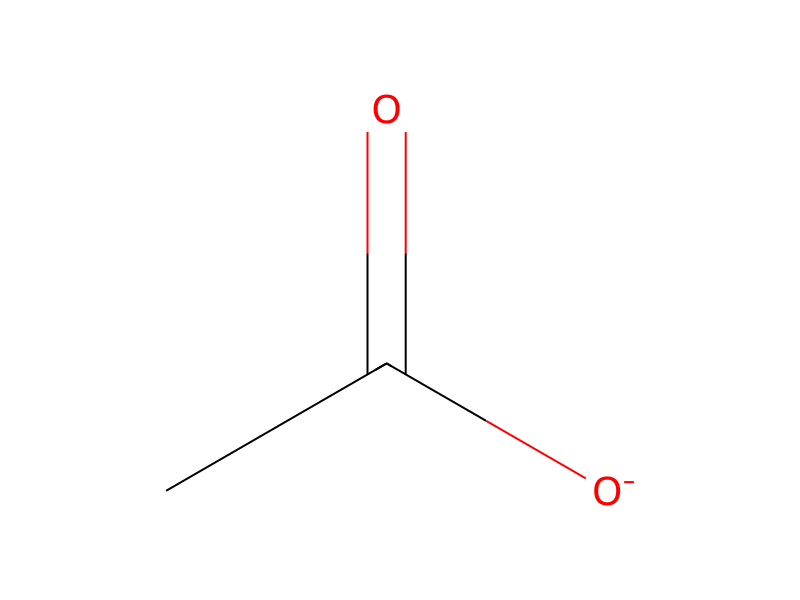






Procedure
The aminoethyl ether of Example 1 as the acetate (210 mg, 0.180 mmol) was dissolved in N,N-dimethylformamide (2 mL). To this solution 1M sodium bicarbonate (200 μL, 0.200 mmol) and pentafluorophenyl N-benzyloxycarbonylglycinate (106 mg, 0.270 mmol) were added. After 1 h, the reaction mixture was diluted with water (2×). Isolation by reverse-phase (C18) flash column chromatography eluting with 50-80% acetonitrile/water gave, after lyophilization of the product-containing fractions, the N-CBZ glycine conjugate of the above formula was obtained (130 mg):
Workup
- washIsolation by reverse-phase (C18) flash column chromatography eluting with 50-80% acetonitrile/water
- customgave
Sources & evidence
- ORD record
- ord-8d10e82f5d2c4173a3f4d967f7fefa07
- Source dataset
- uspto-grants-1999_06
- Patent number
- US05914313
Reaction notes
Loading…