Glyoxylic Acid → HCID 88289825, compound
Reaction equation

[C:1]([OH:5])(=[O:4])[CH:2]=O.O1[CH2:11][CH2:10][CH2:9][CH2:8][CH:7]1[O:12][NH2:13].C(OC(=O)/C=N\O[C:21]1[N:22]=[C:23]([NH2:26])[S:24][CH:25]=1)C.[CH:28]1(Br)CCC[CH2:29]1>C(O)C.C(N(CC)CC)C>[CH2:28]([O:5][C:1](=[O:4])/[CH:2]=[N:13]\[O:12][CH:7]1[CH2:11][CH2:10][CH2:9][CH:8]1[C:21]1[N:22]=[C:23]([NH2:26])[S:24][CH:25]=1)[CH3:29]Participants
7
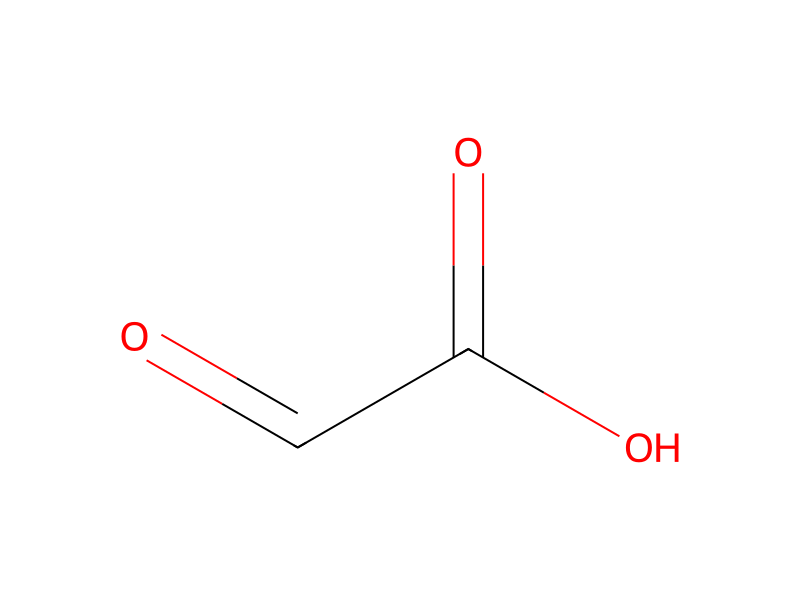




Procedure
The tetrahydropyranyl derivative (as used in Example 3) is prepared by treating the glyoxylic acid derivative described below with O-(tetrahydro-pyran-2-yl)-hydroxyl-amine in the presence of triethylamine in ethanol as depicted below: ##STR7## d) For the preparation of the cyclopentyl derivative the compound A is deprotonated and treated with cyclopentylbromide to form (Z)-2-(aminothiazol-4-yl)cyclopentyl-oxyimino acetic acid ethylester which is then hydrolysed to yield the free acid. The free acid is then reacted in analogy to example 1 to yield the activated acid.
Sources & evidence
- ORD record
- ord-3c6c0ed19fb044fd9034743cfb61f3a0
- Source dataset
- uspto-grants-1999_03
- Patent number
- US05883247
Reaction notes
Loading…