Ammonia → HCID 13113742, compound
Reaction equation

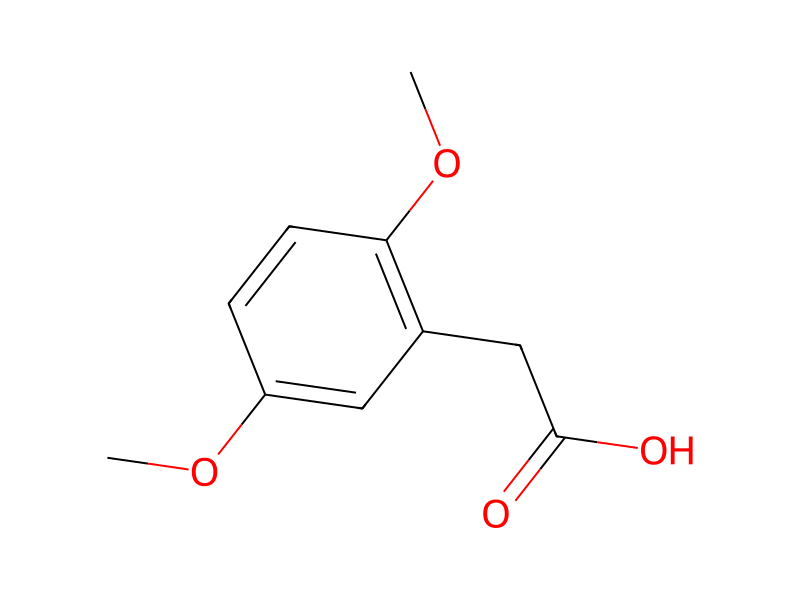
C[O:2][C:3]1[CH:8]=[CH:7][C:6]([O:9]C)=[CH:5][C:4]=1[CH2:11][C:12]([OH:14])=[O:13].C(O)(C)(C)C.N.[Li].[Cl-].[NH4+].Cl>O1CCCC1>[O:2]=[C:3]1[CH2:8][CH2:7][C:6](=[O:9])[CH2:5][CH:4]1[CH2:11][C:12]([OH:14])=[O:13]Participants






Procedure
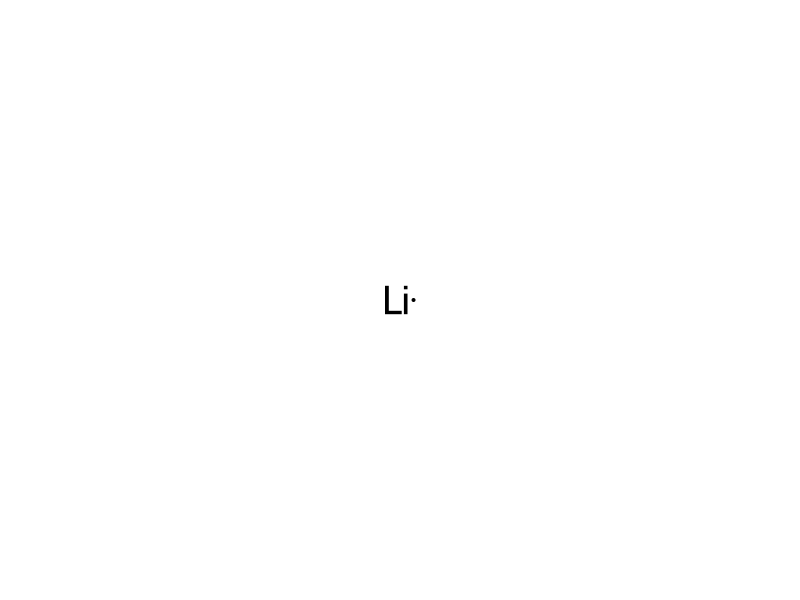
A solution of 3.6 g (20 mmol) of (2,5-dimethoxyphenyl) acetic acid, 30 g (0.4 mole) of anhydrous t-butanol, and 40 ml of anhydrous tetrahydrofuran (THF) was added to 200 ml of liquid ammonia at -78° C. via cannula. Lithium wire (1.5 g, 0.21 mol) was cut into small pieces, washed briefly with isopropylalcohol and hexane, and then added to the above mixture piece by piece. The resulting reaction mixture turned a dark blue-gray color. After 4 hours, the blue color faded to gray, some excess ammonium chloride (4 g) was added, and the ammonia was allowed to evaporate overnight under a stream of nitrogen, leaving a white solid. The residue was then treated with 80 ml of 6 N hydrochloric acid, and the resultant mixture was heated to reflux for 1.5 hours.
Workup
- washwashed briefly with isopropylalcohol and hexane
- additionadded to the above mixture piece by piece
- customThe resulting reaction mixture
- additionwas added
- customto evaporate overnight under a stream of nitrogen
- customleaving a white solid
- temperatureto reflux for 1.5 hours
Sources & evidence
- ORD record
- ord-061cca7d349f4dbe90942ba07c0b7238
- Source dataset
- uspto-grants-2000_06
- Patent number
- US06077653
Reaction notes
Loading…