Methanol → (2S,5S)-tert-butyl 2-(hydroxymethyl)-5-methylpyrrolidine-1-carboxylate
Reaction equation

[C:1]([O:5][C:6]([N:8]1[C@@H:12]([CH3:13])[CH2:11][CH2:10][C@H:9]1[C:14](O)=[O:15])=[O:7])([CH3:4])([CH3:3])[CH3:2].B.CSC.CO>O1CCCC1>[OH:15][CH2:14][C@@H:9]1[CH2:10][CH2:11][C@H:12]([CH3:13])[N:8]1[C:6]([O:5][C:1]([CH3:2])([CH3:4])[CH3:3])=[O:7]Participants

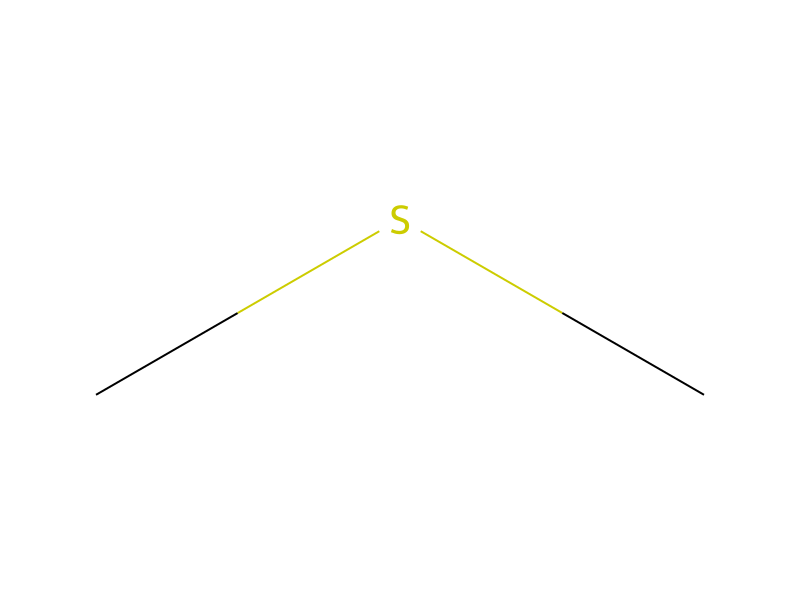



Conditions
- Temperature
- 0 °C
Procedure
To a solution of (2S,5S)-1-(tert-butoxycarbonyl)-5-methylpyrrolidine-2-carboxylic acid (5.91 g, 25.8 mmol) in tetrahydrofuran at 0° C., was added borane in dimethylsulfide (1.0 M, 3.4 mL, 34 mmol) dropwise. The reaction was stirred for 4 hours at 0° C. then 18 hours at room temperature. The mixture was then cooled to 0° C. and methanol (70 mL) was added dropwise. The reaction was warmed to room temperature and the solvents were removed in vacuo. The residue was taken up in dichloromethane (200 mL) and extracted with saturated sodium bicarbonate. The organic layer was dried with sodium sulfate and the solvent was removed in vacuo to yield (2S,55)-tert-butyl 2-(hydroxymethyl)-5-methylpyrrolidine-1-carboxylate as a clear oil (5.15 g, 23.9 mmol, 93%) and was used directly in the following step.
Workup
- custom18 hours
- customat room temperature
- temperatureThe mixture was then cooled to 0° C.
- temperatureThe reaction was warmed to room temperature
- customthe solvents were removed in vacuo
- extractionextracted with saturated sodium bicarbonate
- dry with materialThe organic layer was dried with sodium sulfate
- customthe solvent was removed in vacuo
Sources & evidence
- ORD record
- ord-871f895e84fa49579e9456f0c1cd3248
- Source dataset
- uspto-grants-2015_01
- Patent number
- US08940718B2
Reaction notes
Loading…