Pyridine → HCID 69012857, compound
Reaction equation

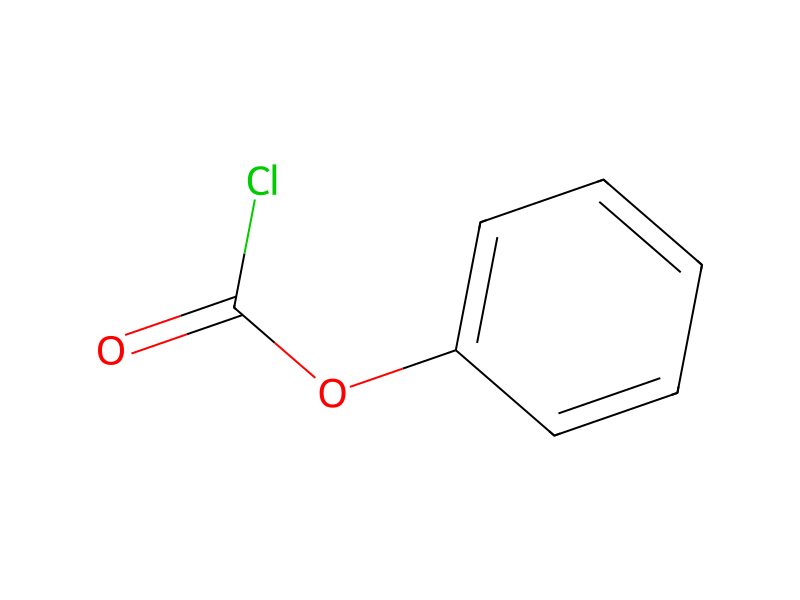
[NH2:1][C:2]1[CH:3]=[CH:4][CH:5]=[C:6]2[C:11]=1[CH2:10][C@H:9]([OH:12])[CH2:8][CH2:7]2.N1C=CC=CC=1.Cl[C:20]([O:22][C:23]1[CH:28]=[CH:27][CH:26]=[CH:25][CH:24]=1)=[O:21].C(OC(=O)C)C>C1COCC1>[C:23]1([O:22][C:20](=[O:21])[NH:1][C:2]2[C:11]3[CH2:10][C@H:9]([OH:12])[CH2:8][CH2:7][C:6]=3[CH:5]=[CH:4][CH:3]=2)[CH:28]=[CH:27][CH:26]=[CH:25][CH:24]=1Participants
6
Reactant 4



Product 1

Reagents, catalysts & solvents 1

Procedure
Next, a solution of (R)-8-amino-1,2,3,4-tetrahydro-naphthalen-2-ol -(36.2 g) and pyridine (18.8 ml) in THF (850 ml) cooled at 0° C. was added phenyl chloroformate (28.8 ml). The mixture was stirred for 3 hours at room temperature, and then poured into ethylacetate. The mixture was washed with aqueous NH4Cl then with water, and the organic layer was dried over Na2SO4, filtered, and concentrated under reduced pressure. To the obtained residue was added acetonitrile, and the precipitates were collected and washed with a mixture of acetonitrile and diisopropyl ether (2:3) to obtain {(R)-7-Hydroxy-5,6,7,8-tetrahydro-naphthalen-1-yl}carbamic acid phenyl ester (33.0 g).
Workup
- washThe mixture was washed with aqueous NH4Cl
- dry with materialwith water, and the organic layer was dried over Na2SO4
- filtrationfiltered
- concentrationconcentrated under reduced pressure
- additionTo the obtained residue was added acetonitrile
- customthe precipitates were collected
- washwashed with a mixture of acetonitrile and diisopropyl ether (2:3)
Sources & evidence
- ORD record
- ord-1bc980a22fb04358a71adfa1d1c64175
- Source dataset
- uspto-grants-2009_11
- Patent number
- US07612113B2
Reaction notes
Loading…