Hydrochloric Acid → HCID 66627778, compound
Reaction equation

[CH3:1][O:2][C:3]1[CH:4]=[C:5]2[C:10](=[CH:11][CH:12]=1)[C:9](=[O:13])[CH2:8][CH2:7][CH2:6]2.[OH:14][C:15]1[CH:22]=[CH:21][CH:20]=[CH:19][C:16]=1[CH:17]=O.Cl>C(O)C.[Cl-].[Na+].O>[OH:14][C:15]1[CH:22]=[CH:21][CH:20]=[CH:19][C:16]=1[CH:17]=[C:8]1[CH2:7][CH2:6][C:5]2[C:10](=[CH:11][CH:12]=[C:3]([O:2][CH3:1])[CH:4]=2)[C:9]1=[O:13]Participants
Reactant 3

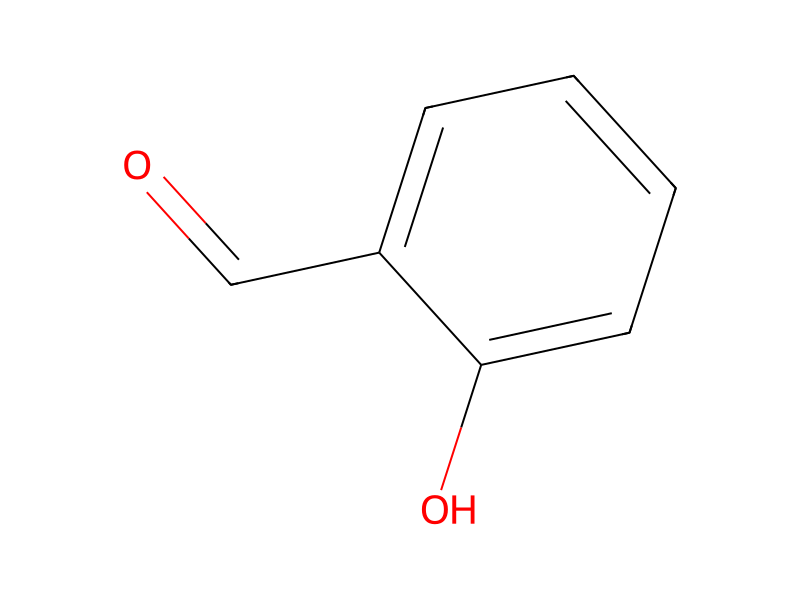
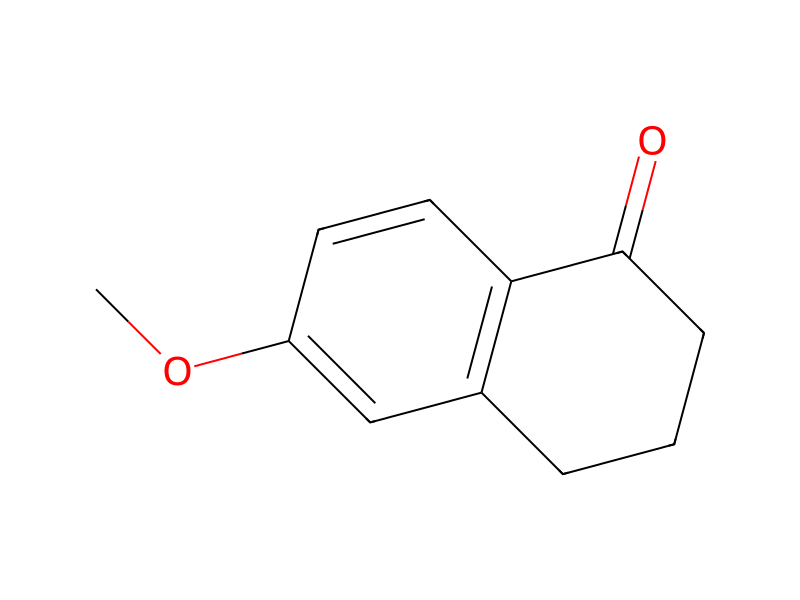
Product 1

Reagents, catalysts & solvents 2


Procedure
To a solution of 6-methoxy-1-tetralone (30 g) and 2-hydroxybenzaldehyde (25 g) in ethanol (200 ml) was added concentrated hydrochloric acid (10 ml), and the solution was refluxed for one day and one night. To the reaction solution was added brine, the solution was extracted with ethyl acetate, dried over anhydrous magnesium sulfate, and then the solvent was evaporated in vacuo. The residue was purified by silica gel column chromatography (hexane-ethyl acetate system) to provide 2-(2-hydroxybenzylidene)-6-methoxy-3,4-dihydro-2H-naphthalen-1-one(30 g). To a solution of a portion thereof (15 g) in ethanol (200 ml) was added platinum(IV) oxide (0.1 g), and the solution was stirred overnight under a hydrogen atmosphere at ambient pressure. The reaction solution was filtered, and the solvent was evaporated in vacuo. To a solution of a portion of the resulting 2-(2-hydroxybenzyl)-6-methoxy-3,4-dihydro-2H-naphthalen-1-one crude product (1.0 g) in ethylene glycol (15 ml) was added potassium hydroxide (1.2 g) and hydrazine hydrate (2 ml), and the solution was refluxed overnight. To the reaction solution was added 5N hydrochloric acid, the solution was extracted with ethyl acetate, then washed with brine, dried over anhydrous magnesium sulfate, and then the solvent was evaporated in vacuo. Obtained by purifying the residue by silica gel column chromatography (hexane-ethyl acetate system), 2-(6-methoxy-1,2,3,4-tetrahydronaphthalen-2-ylmethyl)phenol (810 mg) was used according to an analogous synthetic method to Preparation Example 80 to provide the title compound (1.1 g).
Workup
- temperaturethe solution was refluxed for one day and one night
- extractionthe solution was extracted with ethyl acetate
- dry with materialdried over anhydrous magnesium sulfate
- customthe solvent was evaporated in vacuo
- customThe residue was purified by silica gel column chromatography (hexane-ethyl acetate system)
Sources & evidence
- ORD record
- ord-a22a5e98fc5640cf93ad616366c8795d
- Source dataset
- uspto-grants-2009_11
- Patent number
- US07612114B2
Reaction notes
Loading…