Water → 1-Piperazinecarboxylic acid, 4-acetyl-, 4-nitrophenyl ester
Reaction equation

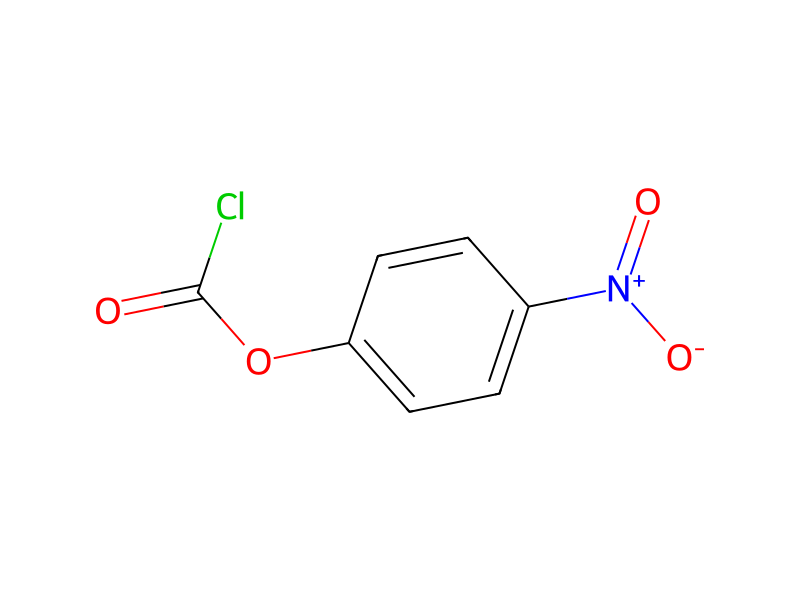
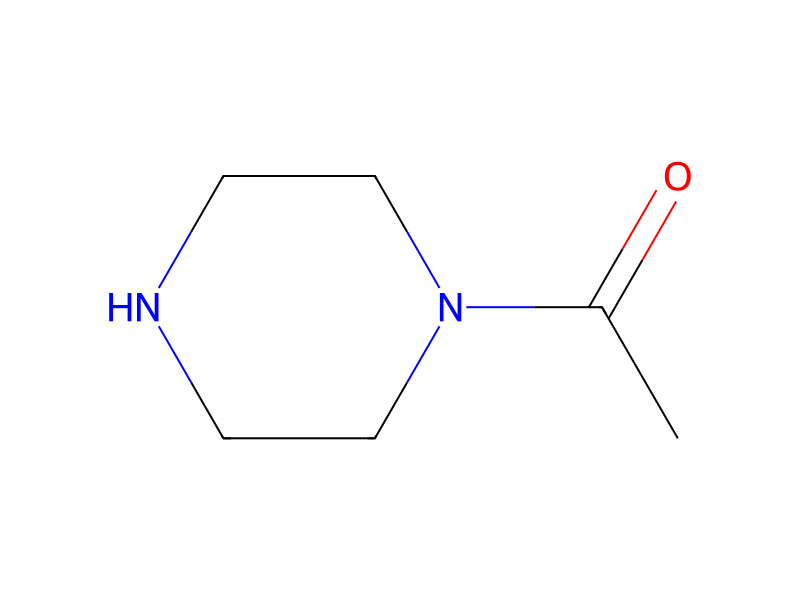
[C:1]([N:4]1[CH2:9][CH2:8][NH:7][CH2:6][CH2:5]1)(=[O:3])[CH3:2].CCN(CC)CC.Cl[C:18]([O:20][C:21]1[CH:26]=[CH:25][C:24]([N+:27]([O-:29])=[O:28])=[CH:23][CH:22]=1)=[O:19].O>ClCCl>[C:1]([N:4]1[CH2:9][CH2:8][N:7]([C:18]([O:20][C:21]2[CH:22]=[CH:23][C:24]([N+:27]([O-:29])=[O:28])=[CH:25][CH:26]=2)=[O:19])[CH2:6][CH2:5]1)(=[O:3])[CH3:2]Participants
6




Conditions
- Temperature
- 0 °C
Procedure
A solution of 1-acetylpiperazine (1.30 g) and Et3N (1.23 g) in dichloromethane (10 ml) was added dropwise to a solution of 4-nitrophenyl chloroformate (2.05 g) in dichloromethane (20 ml) under ice-cooling. After stirring at 0° C. for 30 minutes and at room temperature for 1 hour, water was added to the reaction solution, and the reaction solution was extracted with dichloromethane. The organic layer was washed with an aqueous saturated sodium bicarbonate solution and saturated brine, dried, and then the solvent was evaporated under reduced pressure. The obtained residue was isolated and purified by silica gel column chromatography (ethyl acetate) to obtain the title compound (1.70 g) as colorless crystals.
Workup
- temperaturecooling
- extractionthe reaction solution was extracted with dichloromethane
- washThe organic layer was washed with an aqueous saturated sodium bicarbonate solution and saturated brine
- customdried
- customthe solvent was evaporated under reduced pressure
- customThe obtained residue was isolated
- custompurified by silica gel column chromatography (ethyl acetate)
Sources & evidence
- ORD record
- ord-3d2a9b5641e549999a389e0b9095897c
- Source dataset
- uspto-grants-2009_11
- Patent number
- US07622487B2
Reaction notes
Loading…