Ethylene Glycol → 1-[p-(2-Thenoyl)phenyl]cyclopropanecarboxylic acid
Reaction equation

[C:1]1([C:6]([C:8]2[CH:13]=[CH:12][C:11]([C:14]3([C:17]#N)[CH2:16][CH2:15]3)=[CH:10][CH:9]=2)=[O:7])[S:5][CH:4]=[CH:3][CH:2]=1.[OH-:19].[K+].C(O)CO.C.[OH2:26]>>[C:1]1([C:6]([C:8]2[CH:13]=[CH:12][C:11]([C:14]3([C:17]([OH:26])=[O:19])[CH2:16][CH2:15]3)=[CH:10][CH:9]=2)=[O:7])[S:5][CH:4]=[CH:3][CH:2]=1Participants
6

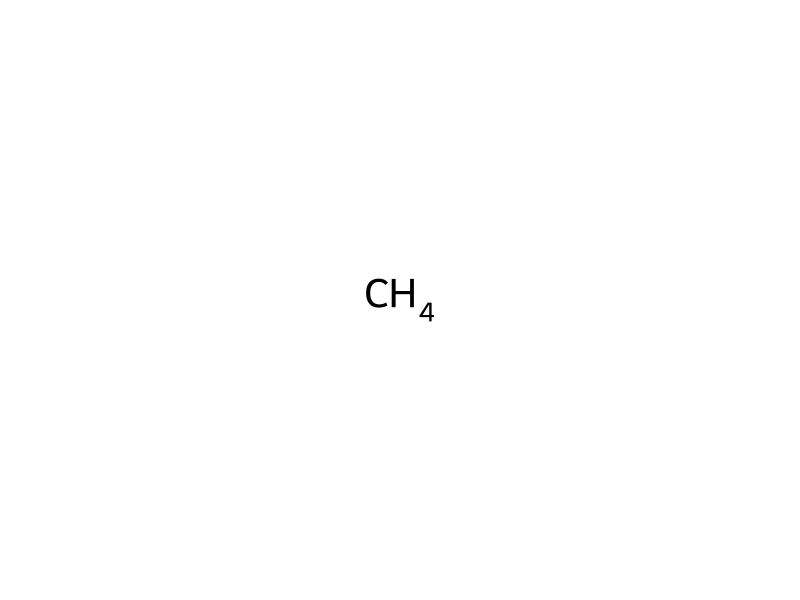




Conditions
- Temperature
- 140 °C
Procedure
A mixture of 10 parts of 1-[p-(2-thenoyl)phenyl]cyclopropanecarbonitrile, 3.92 parts of potassium hydroxide, 35 parts of ethylene glycol and 3.5 parts of water is stirred for 48 hours while heating at 140° C. The reaction mixture is poured onto water, stirred with activated charcoal and filtered over hyflo. The filtrate is acidified with hydrochloric acid and the product is extracted with ether. The latter is washed with water, dried, filtered and evaporated. The solid residue is crystallized from acetonitrile, yielding 6.1 parts of 1-[p-(2thenoyl)phenyl]cyclopropanecarboxylic acid; mp. 165.9° C (dec.).
Workup
- additionThe reaction mixture is poured onto water
- filtrationfiltered over hyflo
- extractionthe product is extracted with ether
- washThe latter is washed with water
- customdried
- filtrationfiltered
- customevaporated
- customThe solid residue is crystallized from acetonitrile
Sources & evidence
- ORD record
- ord-3910d21901e04e4cb4391a37584b14f5
- Source dataset
- uspto-grants-1977_11
- Patent number
- US04060528
Reaction notes
Loading…