Ammonia → HCID 178478054, compound
Reaction equation

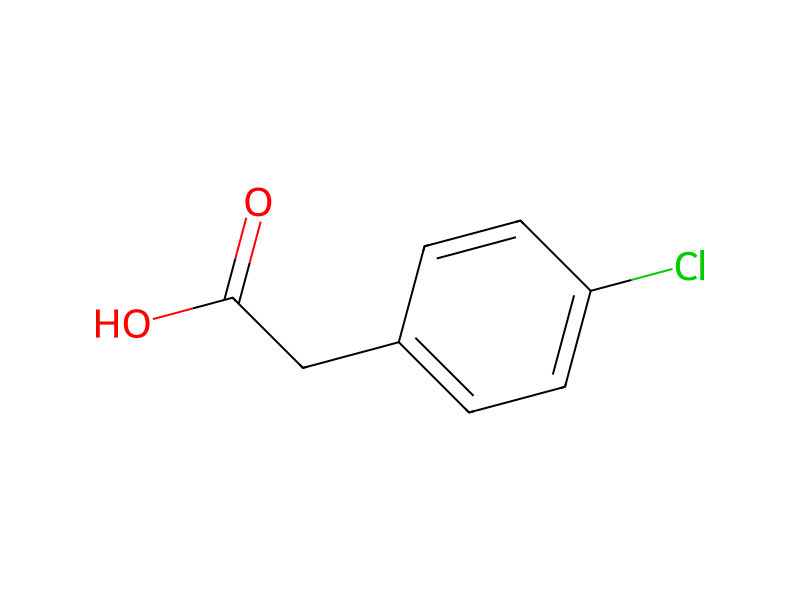
[Cl:1][C:2]1[CH:7]=[CH:6][C:5]([NH2:8])=[C:4]([NH2:9])[CH:3]=1.[Cl:10][C:11]1[CH:16]=[CH:15][C:14]([CH2:17][C:18](O)=O)=[CH:13][CH:12]=1.O.C1(C)C=CC(S(O)(=O)=O)=CC=1.N>>[Cl:1][C:2]1[CH:7]=[CH:6][C:5]2[NH:8][C:18]([CH2:17][C:14]3[CH:15]=[CH:16][C:11]([Cl:10])=[CH:12][CH:13]=3)=[N:9][C:4]=2[CH:3]=1Participants




Conditions
- Temperature
- 200 °C
Procedure
142.5 g (1 mol) of 4-chloro-o-phenylenediamine, 170.5 g (1 mol) of 4-chlorophenylacetic acid, and 190 g (1 mol) of p-toluene sulfonic acid monohydrate (hereinafter called PTS) were thoroughly blended and heated using a mantle heater while stirring. The temperature was raised to 200° C. in 30 minutes, then the mixture was heated at 200° to 220° C. for 3 hours until almost all steam was evaporated. The reaction mixture thus obtained was poured into aqueous ammonia and stirred to solidify. The solid was washed with water and dried to produce a purple powder. This powder was recrystallized with a solvent to obtain 0.5 g of white, needle-shaped crystals of 6-chloro-2-(4-chlorophenylmethyl)benzimidazole. The compound was dissolved in as much an amount of acetic acid as can dissolve this compound. The solution thus obtained was added to 100 ml of water containing 0.04 g of cupric chloride to obtain the composition of the present invention.
Workup
- temperatureheated
- temperaturethe mixture was heated at 200° to 220° C. for 3 hours until almost all steam
- customwas evaporated
- customThe reaction mixture thus obtained
- stirringstirred
- washThe solid was washed with water
- customdried
- customto produce a purple powder
- customThis powder was recrystallized with a solvent
Sources & evidence
- ORD record
- ord-5cb8bb27538b4ba7b5693d3f244588ab
- Source dataset
- uspto-grants-1996_03
- Patent number
- US05496590
Reaction notes
Loading…