2,3-Dihydroxybutanedioic Acid → HCID 178511806, compound
Reaction equation

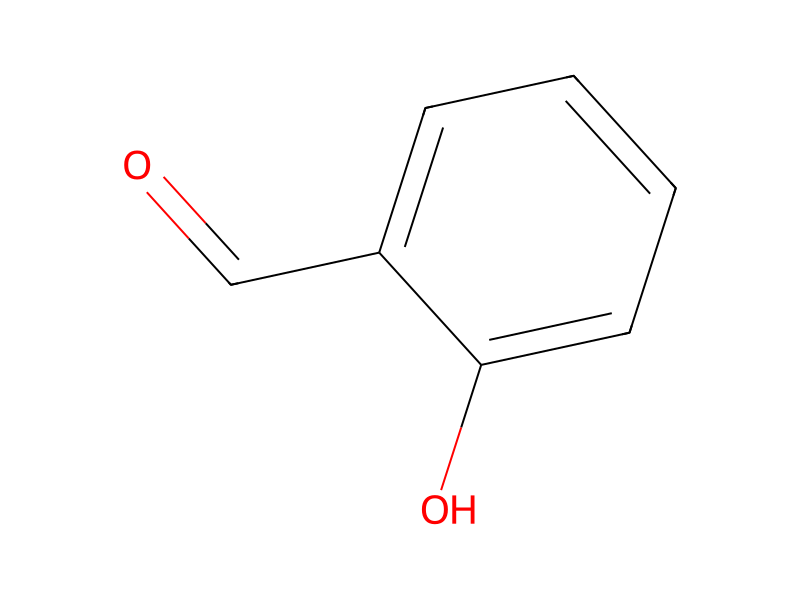
[NH2:1][C@H:2]([C:9]([OH:11])=[O:10])[CH2:3][C:4]1[N:8]=[CH:7][NH:6][CH:5]=1.[C:12]([OH:21])(=[O:20])[CH:13]([CH:15]([C:17]([OH:19])=[O:18])[OH:16])[OH:14].C(=O)C1C(=CC=CC=1)O>C(O)(=O)C>[OH:19][C:17]([CH:15]([CH:13]([C:12]([OH:21])=[O:20])[OH:14])[OH:16])=[O:18].[NH2:1][C@@H:2]([C:9]([OH:11])=[O:10])[CH2:3][C:4]1[N:8]=[CH:7][NH:6][CH:5]=1Participants
5
Reactant 3


Product 1

Reagents, catalysts & solvents 1

Conditions
- Temperature
- 25 °C
Procedure
A mixture of 0.1 mole (15.5 g) of L-histidine, 0.1 mole (15.1 g) of (+) tartaric acid and 0.05 mole (5.2 ml) of salicylaldehyde in 95 ml of acetic acid was stirred mechanically for two hours at 80°-100° C. The mixture was cooled to 25° C. and the formed salt was filtered. The crude D-histidine bitartrate (a very light yellow solid) was obtained in 97% yield. The volume of recovered acetic acid containing salicylaldehyde was 85 ml (89.5% recovery). The crude D-His-(+)TA was stirred and heated in 45 ml water at 80°-90° C. for 35 minutes, cooled to 30° C. and filtered. Drying in air gave 26.7 g (87.5%) of pure D-His-(+)TA. [α]18D =+13.04[C=1.35, H2O].
Workup
- filtrationthe formed salt was filtered
Sources & evidence
- ORD record
- ord-97cc77b1c4bb47b3b2ba07a9c9c7c705
- Source dataset
- uspto-grants-1996_03
- Patent number
- US05496955
Reaction notes
Loading…