2,4,6-Trichloropyrimidine → 2,6-Dichloro-N-propylpyrimidin-4-amine
Reaction equation

[Cl:1][C:2]1[N:7]=[C:6]([Cl:8])[CH:5]=[C:4](Cl)[N:3]=1.C(N([CH:16]([CH3:18])[CH3:17])CC)(C)C.Cl.C[NH2:21]>C1COCC1>[Cl:1][C:2]1[N:3]=[C:4]([NH:21][CH2:18][CH2:16][CH3:17])[CH:5]=[C:6]([Cl:8])[N:7]=1Participants
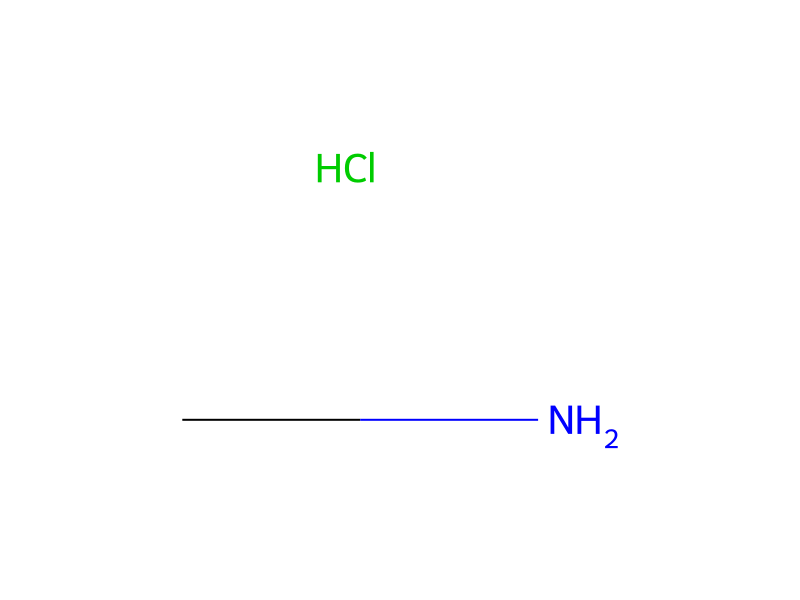
Reactant 3


Product 1

Reagents, catalysts & solvents 1

Procedure
A mixture of 2,4,6-trichloropyrimidine (I, 11 g) in THF (160 ml) is cooled to -70°. Diisopropylethylamine (11 ml) is added, followed by the addition of a mixture of n-propylamine (II, 4.9 ml) in THY (15 ml). The mixture is allowed to stand for 3 days at 20°-25° and then is concentrated. The residue is partitioned between ethyl acetate and aqueous potassium bicarbonate. The organic extract is washed with water and saline, then dried and concentrated to give a solid. The solid is chromatographed on silica gel (650 g) packed in ethyl acetate/hexane (10/90) and eluted with ethyl acetate/hexane (10→30/90→70). The appropriate fractions (14-18) are pooled and concentrated to give the tire compound, NMR (CDCl3) 6.29, 5.87, 3.21, 1.65 and 0.99δ.
Workup
- temperatureis cooled to -70°
- concentrationis concentrated
- customThe residue is partitioned between ethyl acetate and aqueous potassium bicarbonate
- extractionThe organic extract
- washis washed with water and saline
- customdried
- concentrationconcentrated
- customto give a solid
- customThe solid is chromatographed on silica gel (650 g)
- washeluted with ethyl acetate/hexane (10→30/90→70)
- concentrationconcentrated
- customto give the tire compound, NMR (CDCl3) 6.29, 5.87, 3.21, 1.65 and 0
Sources & evidence
- ORD record
- ord-0b3a3cbb1694475d8fdcb77c387ecddb
- Source dataset
- uspto-grants-1996_03
- Patent number
- US05502187
Reaction notes
Loading…