Sodium Carbonate → N-(4-fluorobenzyl)-3-nitro-2-pyridinamine
Reaction equation

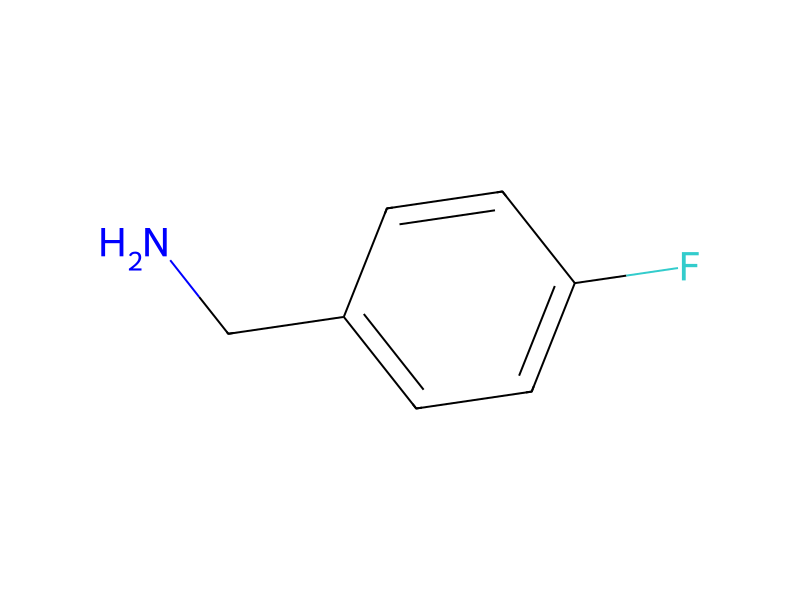
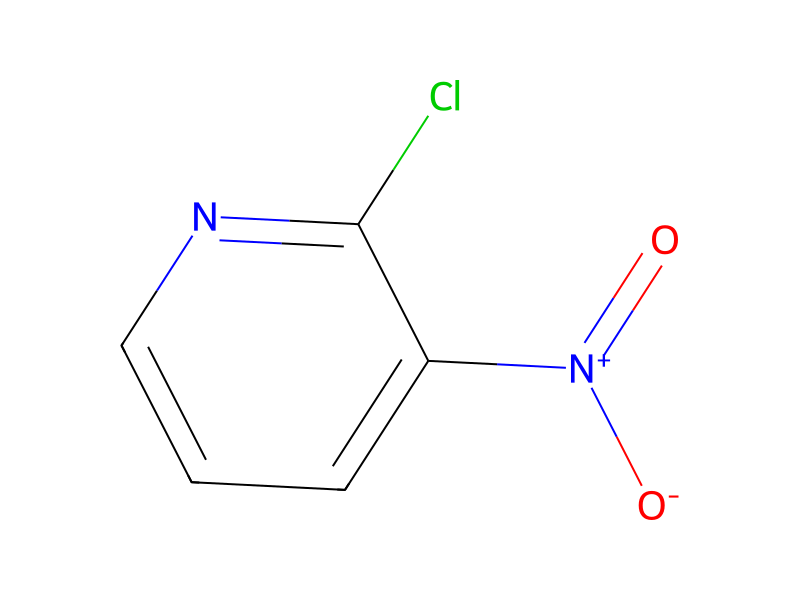
[F:1][C:2]1[CH:9]=[CH:8][C:5]([CH2:6][NH2:7])=[CH:4][CH:3]=1.Cl[C:11]1[C:16]([N+:17]([O-:19])=[O:18])=[CH:15][CH:14]=[CH:13][N:12]=1.C(=O)([O-])[O-].[Na+].[Na+]>CN(C)C=O.C(OCC)(=O)C>[F:1][C:2]1[CH:9]=[CH:8][C:5]([CH2:6][NH:7][C:11]2[C:16]([N+:17]([O-:19])=[O:18])=[CH:15][CH:14]=[CH:13][N:12]=2)=[CH:4][CH:3]=1Participants




Conditions
- Temperature
- 100 °C
Procedure
4-Fluorobenzylamine (5.88 ml, 51.4 mmol) was added to a solution of 2-chloro-3-nitropyridine (8.16 g, 51.4 mmol) and sodium carbonate (8.72 g, 82,3 mmol) in anhydrous N,N-dimethylformamide (100 ml). The reaction mixture was stirred at 100° C. for 1 hour. The reaction mixture was cooled to room temperature, diluted with ethyl acetate, and then filtered to discard an insoluble solid. Water was added to the reaction mixture, which was then extracted with ethyl acetate. The organic layer washed with a saturated sodium chloride solution (100 ml) four times, dried on anhydrous magnesium sulfate, and then concentrated under reduced pressure. The resulting residue was purified with silica gel column chromatography (ethyl acetate/n-hexane=1/10, v/v) to give 11.5 g of the titled compound as yellow solid.
Workup
- temperatureThe reaction mixture was cooled to room temperature
- filtrationfiltered
- additionWater was added to the reaction mixture, which
- extractionwas then extracted with ethyl acetate
- washThe organic layer washed with a saturated sodium chloride solution (100 ml) four times
- dry with materialdried on anhydrous magnesium sulfate
- concentrationconcentrated under reduced pressure
- customThe resulting residue was purified with silica gel column chromatography (ethyl acetate/n-hexane=1/10
Sources & evidence
- ORD record
- ord-c19cf13536654fa3bdeeb4738cab6303
- Source dataset
- uspto-grants-2010_02
- Patent number
- US07662832B2
Reaction notes
Loading…