Potassium Carbonate → HCID 12801552, compound
Reaction equation

[C:1]([C:6]1[NH:7][C:8]([CH3:19])=[C:9]([CH2:12][C:13]2[CH:18]=[CH:17][CH:16]=[CH:15][CH:14]=2)[C:10]=1[OH:11])([O:3][CH2:4][CH3:5])=[O:2].[CH2:20]([CH:22]1[O:24][CH2:23]1)Br.C(=O)([O-])[O-].[K+].[K+]>C(C(C)=O)C(C)C>[C:1]([C:6]1[NH:7][C:8]([CH3:19])=[C:9]([CH2:12][C:13]2[CH:18]=[CH:17][CH:16]=[CH:15][CH:14]=2)[C:10]=1[O:11][CH2:20][CH:22]1[O:24][CH2:23]1)([O:3][CH2:4][CH3:5])=[O:2]Participants
5
Reactant 3

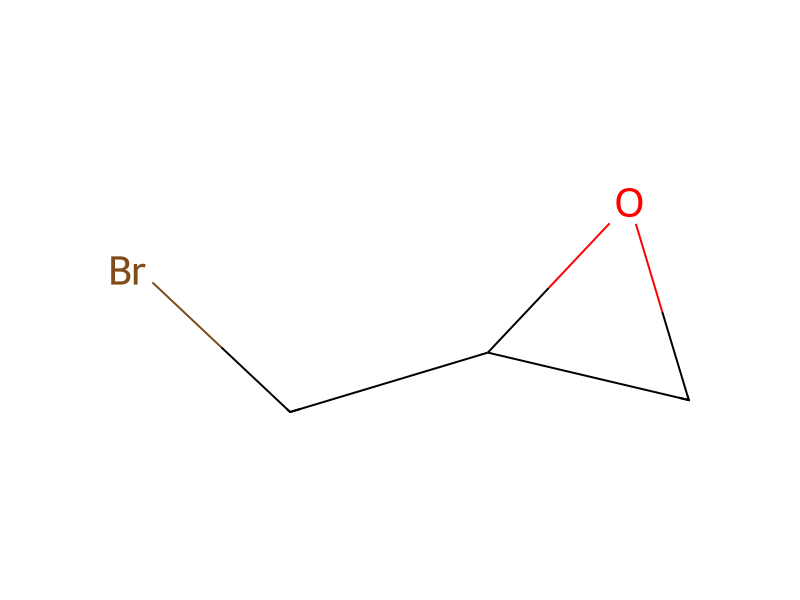

Product 1

Reagents, catalysts & solvents 1

Procedure
Using the method described in Example V, 20 g of 2-carboethoxy-3-hydroxy-4-benzyl-5-methyl-pyrrole, 14 g of epibromohydrin and 20 g of dry potassium carbonate in 150 ml of methyl isobutyl ketone give 15 g of 1-(2-carboethoxy-4-benzyl-5-methyl-pyrrol-3-oxy)-2,3-epoxypropane as a pale yellow, very viscous oil.
Sources & evidence
- ORD record
- ord-dbd4a4d333f442978fa3c5e54439a5fc
- Source dataset
- uspto-grants-1982_02
- Patent number
- US04315939
Reaction notes
Loading…