Ammonia → 4-(3-Phenylpropyl)pyridine
Reaction equation

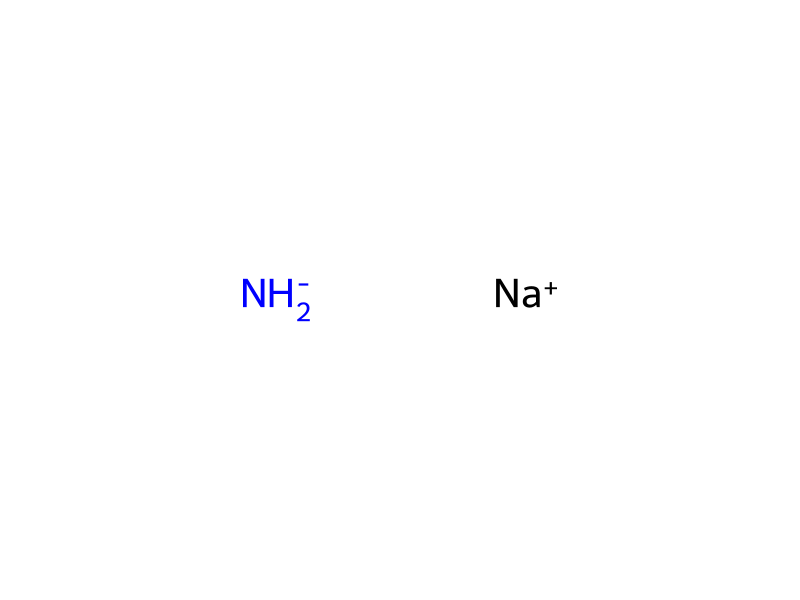
[NH2-:1].[Na+].N.[C:4]1([CH2:10][CH2:11][CH2:12][C:13]2[CH:18]=[CH:17][N:16]=[CH:15][CH:14]=2)[CH:9]=[CH:8][CH:7]=[CH:6][CH:5]=1.[H][H]>O.C1(C)C(C)=CC=CC=1>[C:4]1([CH2:10][CH2:11][CH2:12][C:13]2[CH:14]=[CH:15][N:16]=[CH:17][CH:18]=2)[CH:5]=[CH:6][CH:7]=[CH:8][CH:9]=1.[C:4]1([CH2:10][CH2:11][CH2:12][C:13]2[CH:14]=[CH:15][N:16]=[C:17]([C:15]3[CH:14]=[C:13]([CH2:12][CH2:11][CH2:10][C:4]4[CH:9]=[CH:8][CH:7]=[CH:6][CH:5]=4)[CH:18]=[CH:17][N:1]=3)[CH:18]=2)[CH:5]=[CH:6][CH:7]=[CH:8][CH:9]=1Participants






Procedure
In a one-liter, three-neck flask was made 0.22 mole (5.0 g sodium) of sodamide in the usual way. The ammonia was replaced with 348 cc of xylene. The mixture was brought to reflux at 138° and 299.5 g (1.52 moles) of 4-(3-phenylpropyl)pyridine was added through a dropping funnel. Hydrogen evolution began immediately. Heating was continued for five hours at 138°-153° C. until hydrogen production slowed appreciably. The reaction mixture was cooled to around 100° C. and hydrolyzed with 100 cc of water. The oil layer was separated at room temperature and distilled through a Vigreaux column to give 182.5 g (0.93 moles) of unreacted 4-(3-phenylpropyl)pyridine and 62.9 g (0.16 mole) of 4,4'-di-(3-phenylpropyl)-2,2'-bipyridyl. The yield of 2,2'-bipyridyl product, based on 4-(3-phenylpropyl)pyridine consumed, was 54.0%.
Workup
- temperatureto reflux at 138°
- temperatureHeating
- customThe oil layer was separated at room temperature
- distillationdistilled through a Vigreaux column
Sources & evidence
- ORD record
- ord-469b9b61ed5742648351b3fc951538f0
- Source dataset
- uspto-grants-1979_12
- Patent number
- US04177349
Reaction notes
Loading…