Propylene Glycol → Dicyclopentadiene
Reaktionsgleichung

S(=O)(=O)(O)O.[C:6]1([CH3:16])[CH:11]=[CH:10][C:9](S(O)(=O)=O)=[CH:8][CH:7]=1.B(F)(F)F.[CH2:21](O)[CH:22](O)C.O[CH2:27]C(C)(CO)C.C(O)CC(O)C.C(O)CCCCCO.CC(O)COC(CO)C.S(CCO)CCO>C(O)COCCO.C(O)CO.CCOCC>[CH2:21]1[CH:7]2[CH:8]3[CH:9]=[CH:10][CH:11]([CH:6]2[CH:16]=[CH:22]1)[CH2:27]3Komponenten
Edukt 9




Produkt 1

Reagenzien, Katalysatoren, Lösungsmittel 3


Versuchsvorschrift
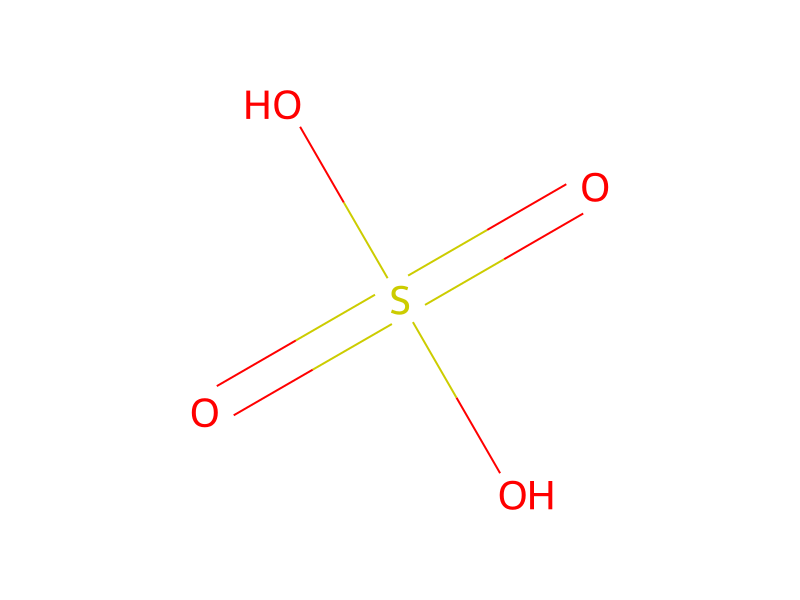
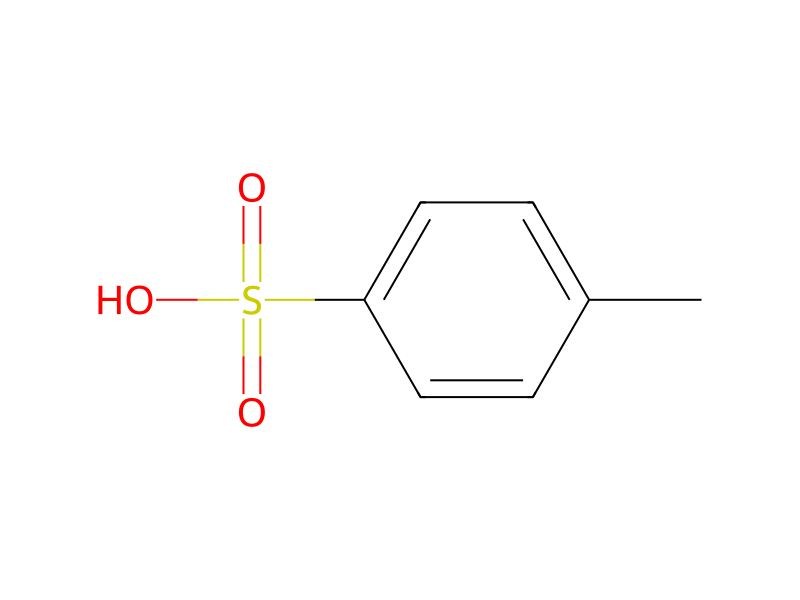
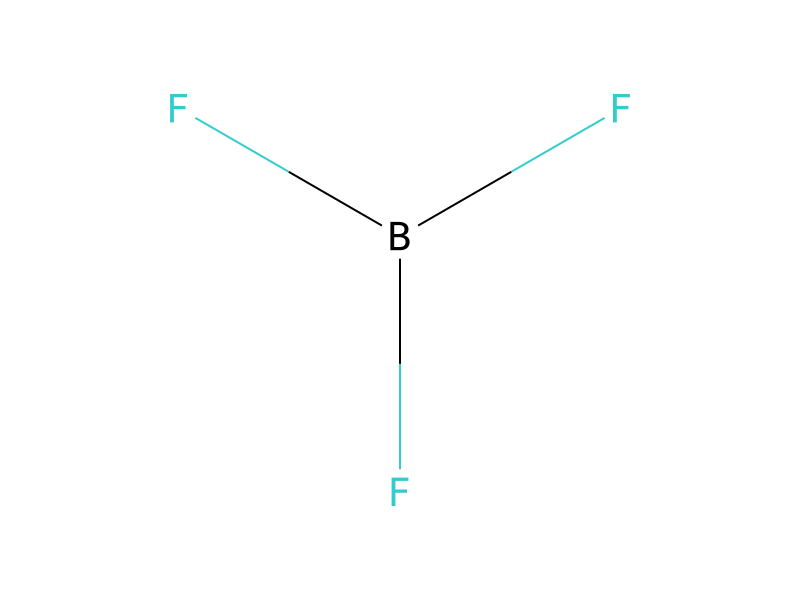
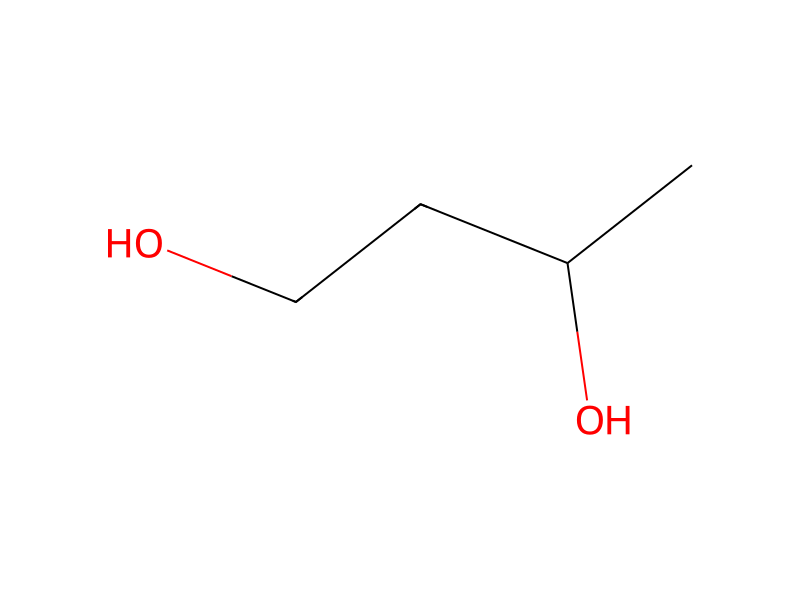
Suitable acid catalysts for producing the ether include sulfuric acid, p-toluenesulfonic acid, boron trifluoride, beads or permeable sheets of acid ion-exchange resins, especially such resins containing sulfonic acid groups, such as the product available commercially under the registered trademark Amberlyst 15. Examples of (C2 to C6) diols or glycols that may be used include ethylene glycol, propylene glycol, neopentyl glycol, 1,3-butylene glycol, 1,6-hexanediol, diethylene glycol, dipropylene glycol, thiodiethanol, etc. The monohydroxy-glycol ether obtained in the first step of the reaction may be, and preferably is, isolated by distillation (generally with a 60-85% yield) from less volatile by-products such as bis-dicyclopentenyl ether and low polymers of dicyclopentadiene.
Aufarbeitung
- additioncontaining sulfonic acid groups
- customobtained in the first step of the reaction
Quellen und Nachweise
- ORD-Eintrag
- ord-f6d4406d56d641538e98b9b859ac9a10
- Quelldatensatz
- uspto-grants-1979_12
- Patentnummer
- US04178425
Notizen zur Reaktion
Wird geladen…