1,4-Dioxane → HCID 10585200, compound
Reaction equation

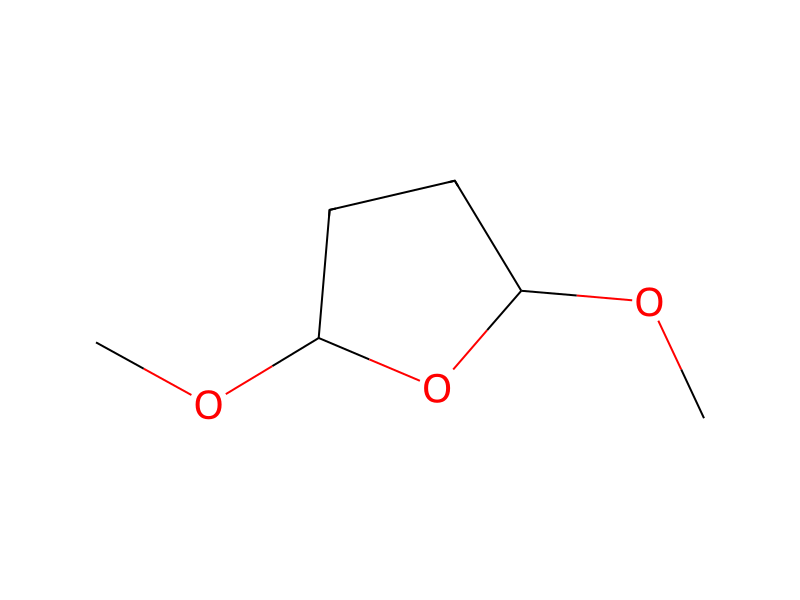
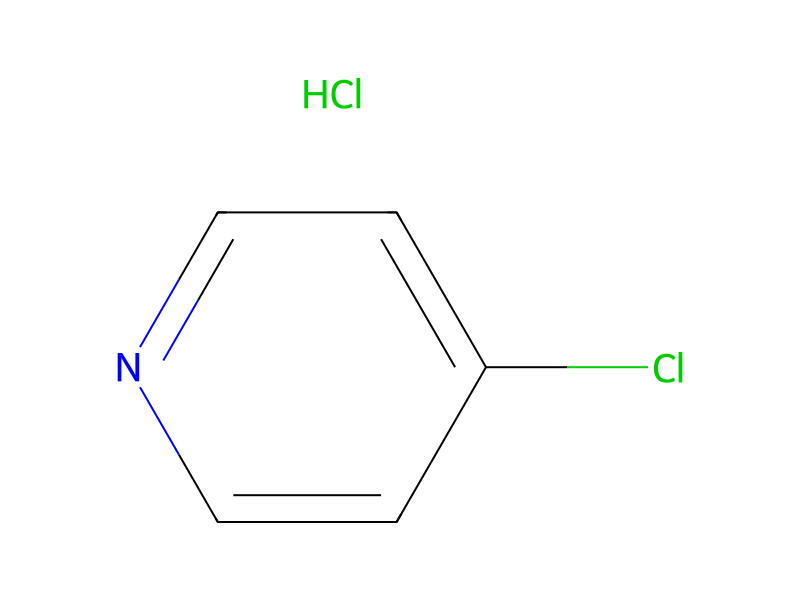
[Cl:1][C:2]1[N:7]=[C:6]([NH2:8])[C:5]([N+:9]([O-:11])=[O:10])=[CH:4][CH:3]=1.CO[CH:14]1[CH2:18][CH2:17][CH:16](OC)O1.Cl.ClC1C=CN=CC=1.O1CCOCC1>C(OCC)C>[Cl:1][C:2]1[N:7]=[C:6]([N:8]2[CH:14]=[CH:18][CH:17]=[CH:16]2)[C:5]([N+:9]([O-:11])=[O:10])=[CH:4][CH:3]=1Participants
6




Procedure
The reaction is carried out in the same way as in Stage B of Example 90 but starting from 15.40 g (0.0887 mol) of 6-chloro-3-nitro-2-aminopyridine and by using 12.9 g (0.0976 mol; 1.1 eq) of 2,5-dimethoxytetrahydrofuran, 14.64 g (0.0976 mol; 1.1 eq) of 4-chloropyridine hydrochloride and 300 cm3 of 1,4-dioxane. The solution is brought to reflux for 6 h. At the end of the reaction, the precipitate is taken up in ethyl ether.
Workup
- temperatureto reflux for 6 h
- customAt the end of the reaction
Sources & evidence
- ORD record
- ord-a16114f544634e0eb07829f652eac470
- Source dataset
- uspto-grants-1997_02
- Patent number
- US05599812
Reaction notes
Loading…