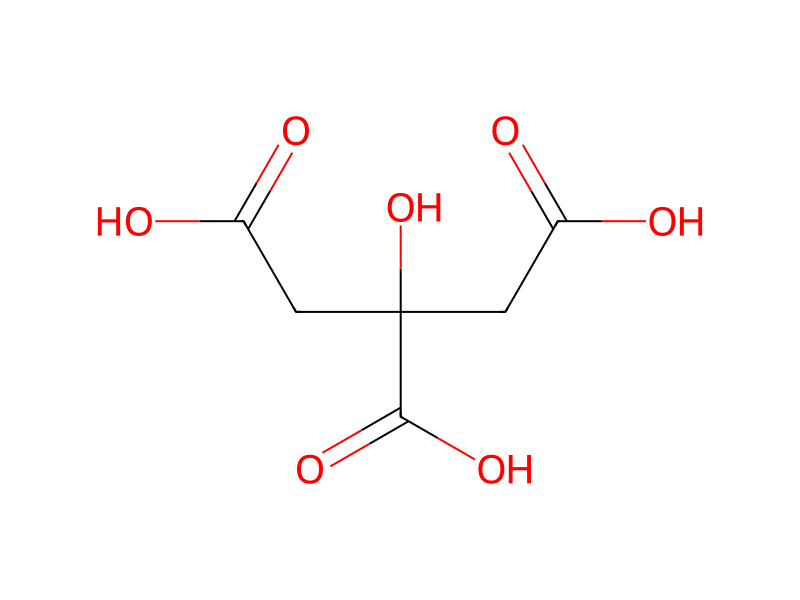
Citric Acid → HCID 87225321, compound
Reaction equation

[Br:1][C:2]1[C:3]([OH:15])=[C:4]([CH:7]=[C:8]([C:10]2[NH:14][N:13]=[N:12][N:11]=2)[CH:9]=1)[CH:5]=[O:6].C(N(C(C)C)CC)(C)C.[CH3:25][O:26][CH2:27][CH2:28][O:29][CH2:30]Cl.C(O)(=O)C[C:34](CC(O)=O)(C(O)=O)[OH:35].[C:45]([O:48][CH2:49][CH3:50])(=O)C>ClCCl>[Br:1][C:2]1[C:3]([O:15][CH2:34][O:35][CH2:50][CH2:49][O:48][CH3:45])=[C:4]([CH:7]=[C:8]([C:10]2[N:14]([CH2:25][O:26][CH2:27][CH2:28][O:29][CH3:30])[N:13]=[N:12][N:11]=2)[CH:9]=1)[CH:5]=[O:6]Participants
7






Procedure
A solution of 3-bromo-2-hydroxy-5-(1H-tetrazol-5-yl)benzaldehyde in dichloromethane (25 mL) was treated with diisopropylethylamine (1.2 mL, 6.4 mmol) and 2-methoxyethoxymethyl chloride (0.72 mL, 6.4 mmol) under a stream of nitrogen and the mixture was stirred at room temperature for 2 hours. Workup involved rotovaping off most of the dichloromethane, followed by usual extractive workup with ethyl acetate and 5% aqueous citric acid. Collection and drying of the organic extracts gave a regioisomeric mixtures of 3-bromo-2-(methoxyethoxymethoxy)-5-(1-(methoxyethoxymethyl)-1H-tetrazol-5-yl)benzaldehyde (0.93 g) as an oil.
Workup
- customCollection
- customdrying of the organic extracts
Sources & evidence
- ORD record
- ord-4f1a874000124ca9a1c59904f97a2171
- Source dataset
- uspto-grants-2009_01
- Patent number
- US07479502B2
Reaction notes
Loading…