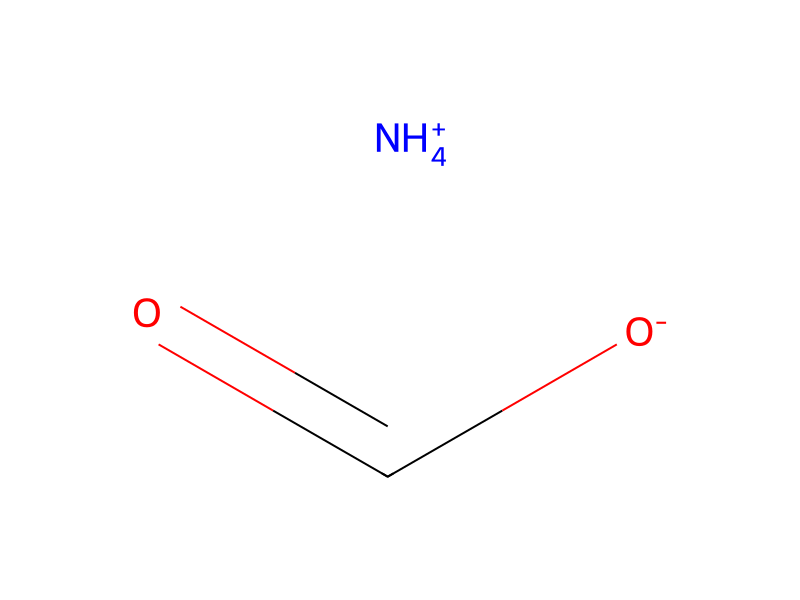
Ammonium formate → Ethyl 5-amino-1-ethyl-1H-indole-2-carboxylate
Reaction equation

[CH2:1]([O:3][C:4]([C:6]1[N:7]([CH2:18][CH3:19])[C:8]2[C:13]([CH:14]=1)=[CH:12][C:11]([N+:15]([O-])=O)=[CH:10][CH:9]=2)=[O:5])[CH3:2].C([O-])=O.[NH4+]>CCO.C(O)CC.[OH-].[Pd+2].[OH-]>[CH2:1]([O:3][C:4]([C:6]1[N:7]([CH2:18][CH3:19])[C:8]2[C:13]([CH:14]=1)=[CH:12][C:11]([NH2:15])=[CH:10][CH:9]=2)=[O:5])[CH3:2]Participants
5




Procedure
The 1-ethyl-5-nitro-1H-indole-2-carboxylic acid ethyl ester (59, 19.1 mmol) of step (a) was dissolved in EtOH/n-PrOH (100 mL, 1/1). Palladium hydroxide (1.14 g) and ammonium formate (3.92 g, 62.2 mmol) were added to the above solution. The mixture was heated to reflux for 2 hours. The reaction mixture was cooled to room temperature and the catalyst was filtered off through Celite. The solvent was removed under reduced pressure. The crude product was dissolved in dichloromethane (300 mL) and washed with NaHCO3 (150 ml×2). The organic layer was collected, dried (Na2SO4) and evaporated. The crude product was purified by chromatography to furnish the desired product (4 g, 90%).
Workup
- temperatureThe mixture was heated
- temperatureto reflux for 2 hours
- filtrationthe catalyst was filtered off through Celite
- customThe solvent was removed under reduced pressure
- dissolutionThe crude product was dissolved in dichloromethane (300 mL)
- washwashed with NaHCO3 (150 ml×2)
- customThe organic layer was collected
- dry with materialdried (Na2SO4)
- customevaporated
- customThe crude product was purified by chromatography
Sources & evidence
- ORD record
- ord-0b7a1fdb9017478b9da07b6aa7c15383
- Source dataset
- uspto-grants-2009_01
- Patent number
- US07482368B2
Reaction notes
Loading…