Phenylacetylene → HCID 22097571, compound
Reaction equation

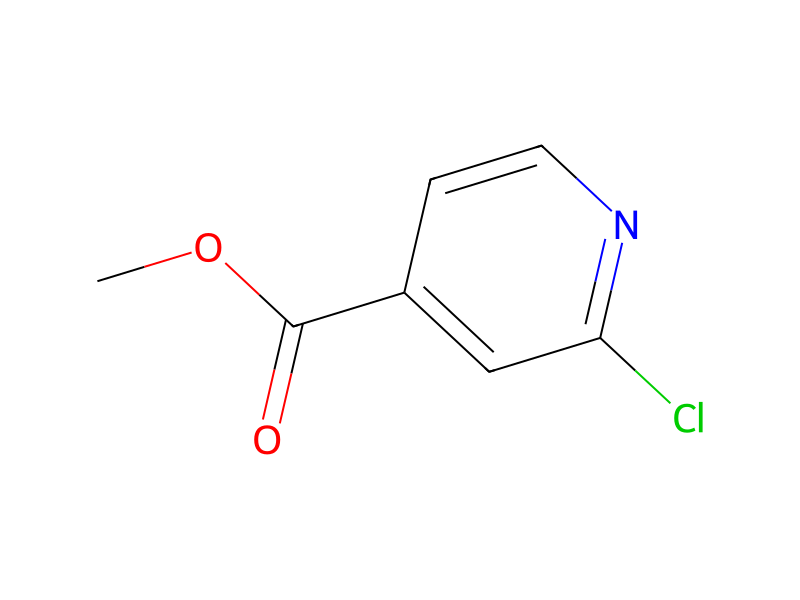
Cl[C:2]1[CH:3]=[C:4]([CH:9]=[CH:10][N:11]=1)[C:5]([O:7][CH3:8])=[O:6].[C:12]1([C:18]#[CH:19])[CH:17]=[CH:16][CH:15]=[CH:14][CH:13]=1>[Pd](Cl)Cl.C1(P(C2C=CC=CC=2)C2C=CC=CC=2)C=CC=CC=1.C1(P(C2C=CC=CC=2)C2C=CC=CC=2)C=CC=CC=1.C(N(CC)CC)C>[C:12]1([C:18]#[C:19][C:2]2[CH:3]=[C:4]([CH:9]=[CH:10][N:11]=2)[C:5]([O:7][CH3:8])=[O:6])[CH:17]=[CH:16][CH:15]=[CH:14][CH:13]=1Participants
5
Reactant 2

Product 1

Reagents, catalysts & solvents 2


Procedure
Methyl 2-chloroisonicotinate, 2 (19.08 9, 0.111 mol as 100% pure), phenylacetylene (13.6 g, 0.133 mol), cuprous iodide (1.00 g,5.25 mmol) and triethylamine (30 ml) were mixed together with stirring at room temperature, and to this mixture was added bis(triphenylphosphine) palladium (II) chloride (2.0 g, 2.85 mmol).
Sources & evidence
- ORD record
- ord-2ca965974d8a4337b9caa9f5d7f5fb56
- Source dataset
- uspto-grants-1998_12
- Patent number
- US05852038
Reaction notes
Loading…