Chlorotrimethylsilane → p-Nitrobenzyl 2-diazo-3-trimethylsilyloxy-3-butenoate
Reaction equation

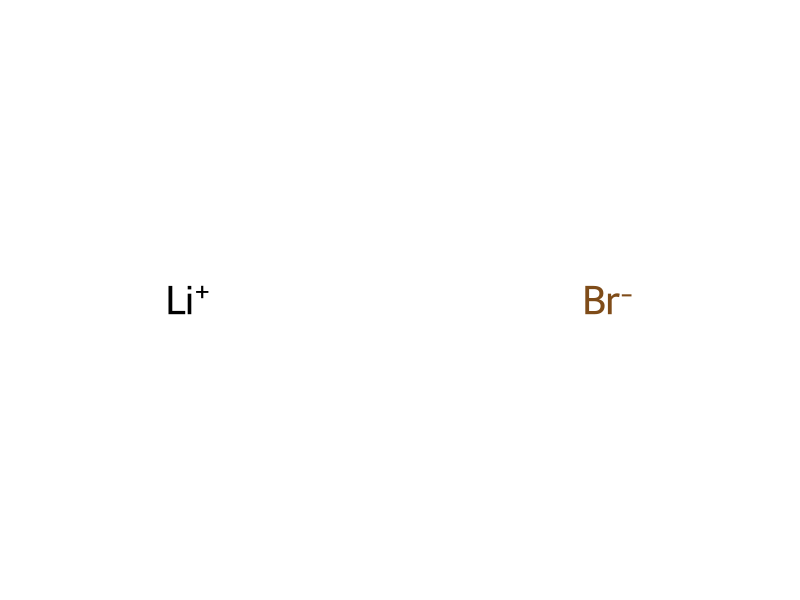
[N+:1](=[C:3]([C:17]([CH3:19])=[O:18])[C:4]([O:6][CH2:7][C:8]1[CH:13]=[CH:12][C:11]([N+:14]([O-:16])=[O:15])=[CH:10][CH:9]=1)=[O:5])=[N-:2].[Br-].[Li+].C(N(CC)CC)C.[CH3:29][Si:30](Cl)([CH3:32])[CH3:31]>C(#N)C>[N+:1](=[C:3]([C:17]([O:18][Si:30]([CH3:32])([CH3:31])[CH3:29])=[CH2:19])[C:4]([O:6][CH2:7][C:8]1[CH:9]=[CH:10][C:11]([N+:14]([O-:16])=[O:15])=[CH:12][CH:13]=1)=[O:5])=[N-:2]Participants





Conditions
- Temperature
- 40 °C
Procedure
Into 5 ml of dry acetonitrile were suspended 263 mg (1 millimole) of p-nitrobenzyl 2-diazoacetoacetate and 122 mg (1.4 millimoles) of lithium bromide. To the mixture were added 220 μl (1.6 millimoles) of triethylamine and then 190 μl (1.5 millimoles) of trimethylsilyl chloride while agitating under an argon atmosphere at a room temperature. The resultant was heated up to 40° C. and agitated at the same temperature overnight, followed by concentration under a reduced pressure. To the residue was added 20 ml of dry hexane, and the resultant was agitated for 30 min. at a room temperature. Insoluble materials were removed by filtration and the filtrate was concentrated to dryness under a reduced pressure to give 330 mg (yield 87%) of the desired compound in a yellow solid. The physical properties of the product were in agreement with those of the product obtained in Example 1.
Workup
- concentrationfollowed by concentration under a reduced pressure
- additionTo the residue was added 20 ml of dry hexane
- stirringthe resultant was agitated for 30 min. at a room temperature
- customInsoluble materials were removed by filtration
- concentrationthe filtrate was concentrated to dryness under a reduced pressure
Sources & evidence
- ORD record
- ord-7c2b49358fa04611bec0fd72f531689c
- Source dataset
- uspto-grants-1991_12
- Patent number
- US05071966
Reaction notes
Loading…