Hydrochloric Acid → HCID 86744761, compound
Reaction equation

[NH2:1][CH2:2][CH2:3][CH2:4][P:5]([OH:7])[OH:6].[CH:8]([C:10]([CH3:12])=[O:11])=[CH2:9].[ClH:13]>C[Si](C)(C)N[Si](C)(C)C.O>[ClH:13].[NH2:1][CH2:2][CH2:3][CH2:4][P:5]([CH2:9][CH2:8][C:10](=[O:11])[CH3:12])(=[O:7])[OH:6]Participants
Reactant 3

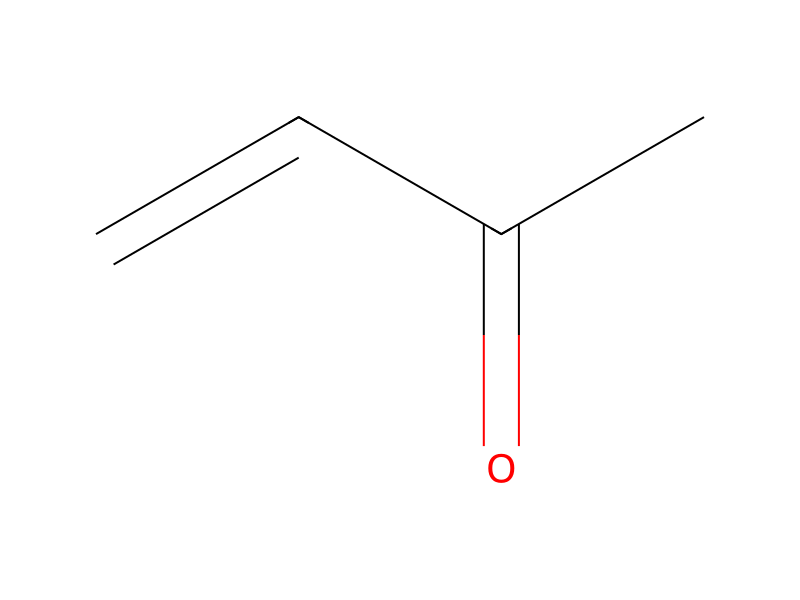

Product 1

Reagents, catalysts & solvents 2


Procedure
A suspension of 2.46 g of 3-aminopropylphosphonous acid in 20 ml of hexamethyldisilazane is heated to reflux under an inert gas for 24 hours. The resulting clear solution is cooled to room temperature and 14.4 g of freshly distilled methyl vinyl ketone are added. An exothermic reaction ensues, the reaction temperature rising to approximately 60° C. The reaction mixture is stirred for 1 hour at a temperature between 50° and 60°. After cooling to room temperature, the volatile materials are removed in vacuo to yield a colourless oil. This oil is dissolved in water and stirred at room temperature for 1 hour and the aqueous layer is evaporated to dryness at 55°. A semi-solid residue is obtained which is dissolved in 50 ml of 2.0M aqueous hydrochloric acid and washed with dichloromethane, (3×100 ml), and ether (1×100 ml). After removal of the water, the white solid is co-evaporated with water (10×50 ml) and then with absolute ethanol (10×50 ml). Crystallisation of the residue form ethanol yields 3-aminopropyl(3-oxobutyl)phosphinic acid hydrochloride. Treatment of the hydrochloride with propylene oxide/ethanol or passage through a DOWEX® 50 W×8 (14-40 mesh) ion-exchange column gives 3-aminopropyl(3-oxobutyl)phosphinic acid, m.p. 163°-5° (decomp.), as a white solid.
Workup
- temperatureis heated
- temperatureto reflux under an inert gas for 24 hours
- customAn exothermic reaction
- customrising to approximately 60° C
- temperatureAfter cooling to room temperature
- customthe volatile materials are removed in vacuo
- customto yield a colourless oil
- stirringstirred at room temperature for 1 hour
- customthe aqueous layer is evaporated to dryness at 55°
- customA semi-solid residue is obtained which
- washwashed with dichloromethane, (3×100 ml), and ether (1×100 ml)
- customAfter removal of the water
- customCrystallisation of the residue form ethanol
Sources & evidence
- ORD record
- ord-12f80ce7aa71489c82c7e6c8511973a8
- Source dataset
- uspto-grants-1994_04
- Patent number
- US05300679
Reaction notes
Loading…