Arsenic Acid → Isoquinoline
Reaction equation

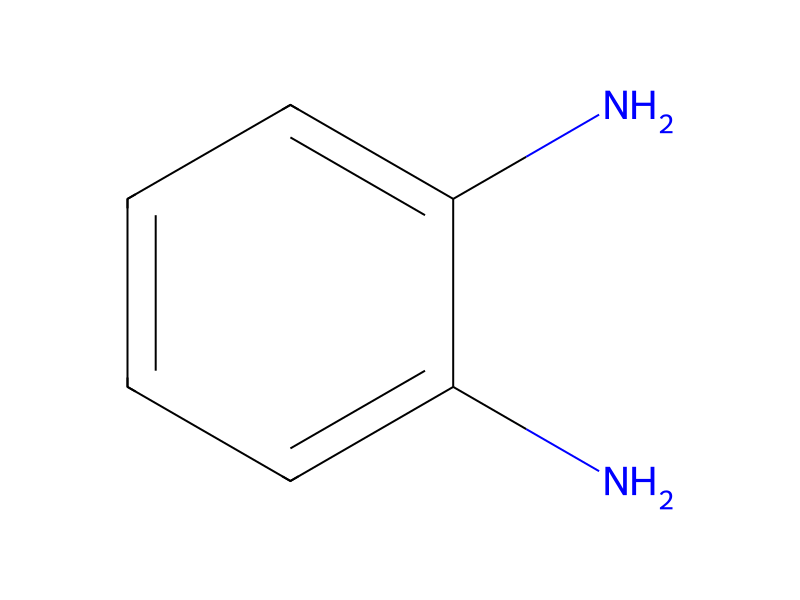
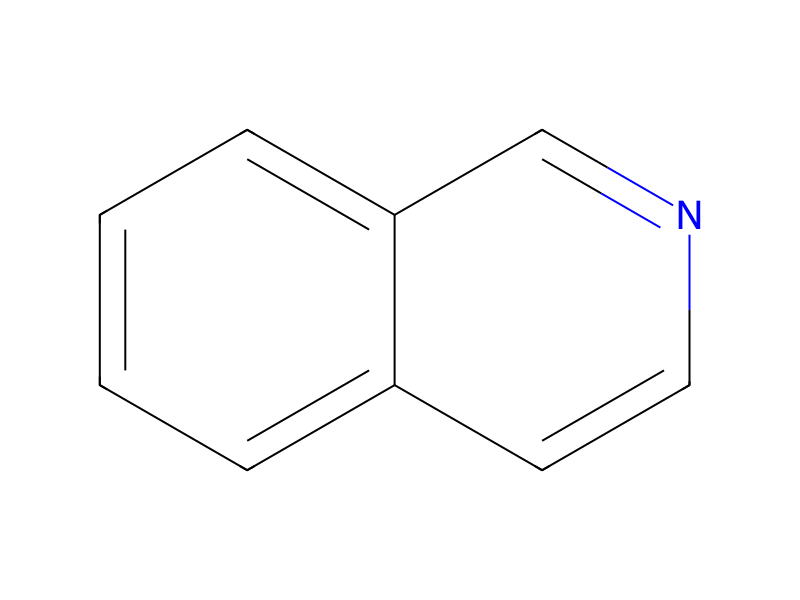
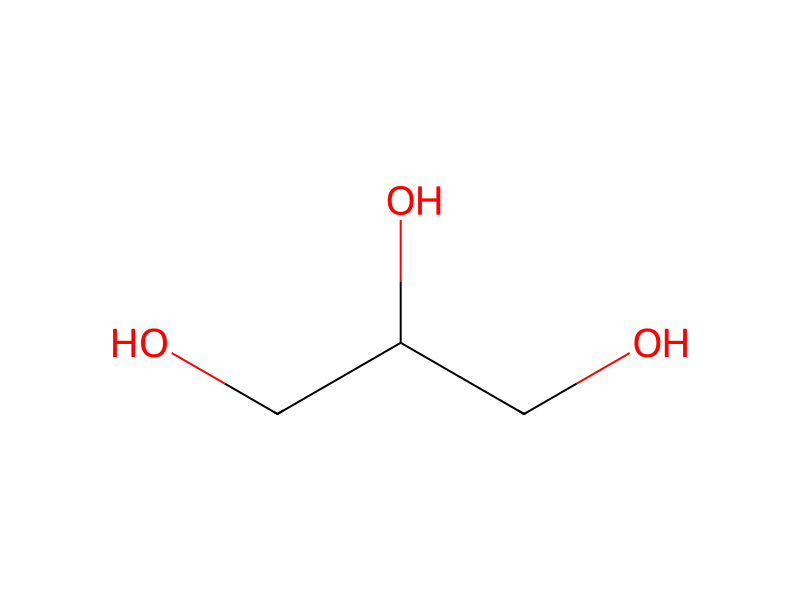
[C:1]1(N)[CH:6]=[CH:5][CH:4]=[CH:3][C:2]=1N.[N+]([NH:12][C:13]1[CH:18]=CC=CC=1)([O-])=O.S(=O)(=O)(O)O.[As](=O)(O)(O)O.[N+]([C:32]1C=C(S(O)(=O)=O)C=CC=1)([O-])=O>OCC(CO)O>[CH:32]1[C:2]2[C:1](=[CH:6][CH:5]=[CH:4][CH:3]=2)[CH:18]=[CH:13][N:12]=1Participants
Reactant 5




Product 1
Reagents, catalysts & solvents 1
Procedure
In a Skraup synthesis, a phenylene diamine (148) or a nitroaniline is reacted with glycerine (149) and sulfuric acid or arsenic acid and an oxidizing agent, such as m-nitrobenzene sulfonic acid (Scheme 66). ##STR86## An intermediate amino- or nitro-quinoline or isoquinoline is produced. In the case of the amino-quinoline, it is not isolated, as it reacts immediately with excess reagents to yield the phenanthroline. If a nitro-aniline has been used to produce a nitroquinoline, it is isolated and purified if necessary. This often removes large amounts of tars produced by the Skraup synthesis. The nitro group is then reduced by standard conditions to yield an aminoquinoline. The aminoquinoline is then subjected to another Skraup reaction (sulfuric or arsenic acid, or both, glycerine and m-nitrobenzenesulfonic acid) to yield the phenanthroline.
Workup
- customIn a Skraup synthesis
Sources & evidence
- ORD record
- ord-9c6fd67df48547c3b04d9c5f1f071b78
- Source dataset
- uspto-grants-1994_04
- Patent number
- US05300642
Reaction notes
Loading…