Dichloromethane → HCID 178516268, compound
Reaction equation

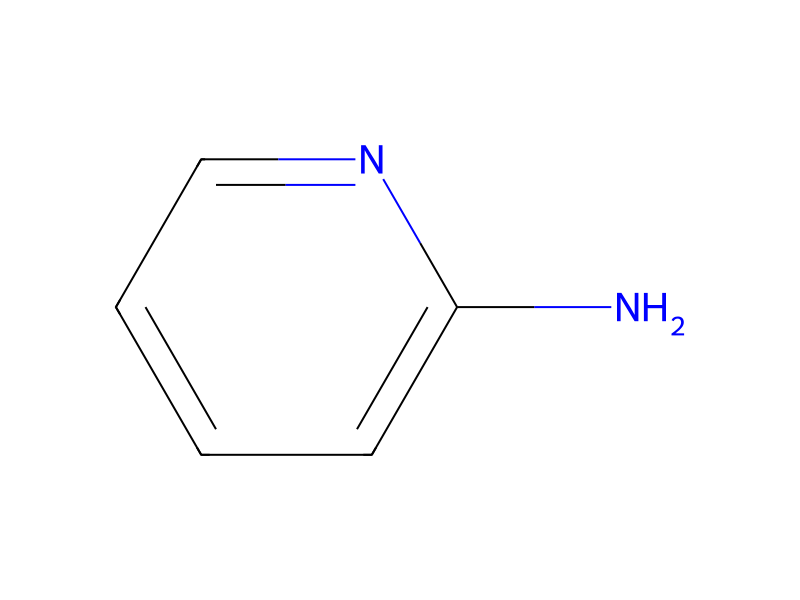
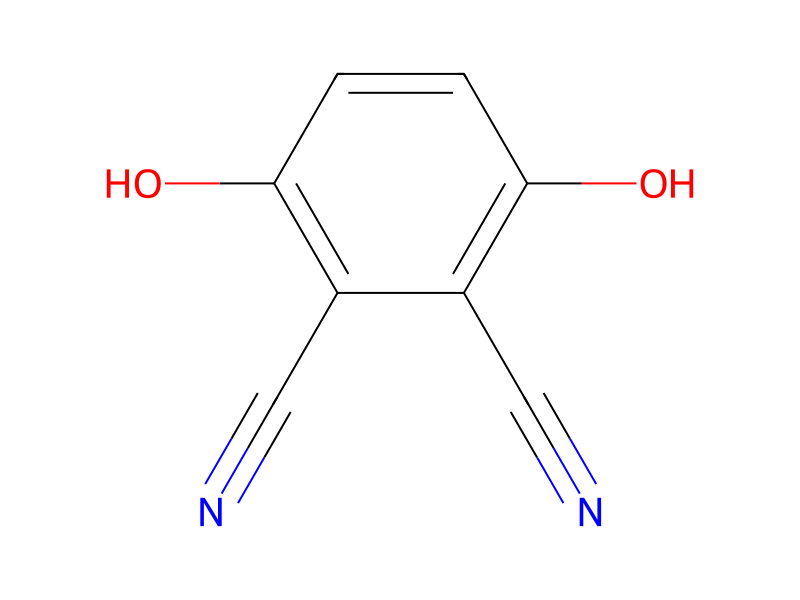
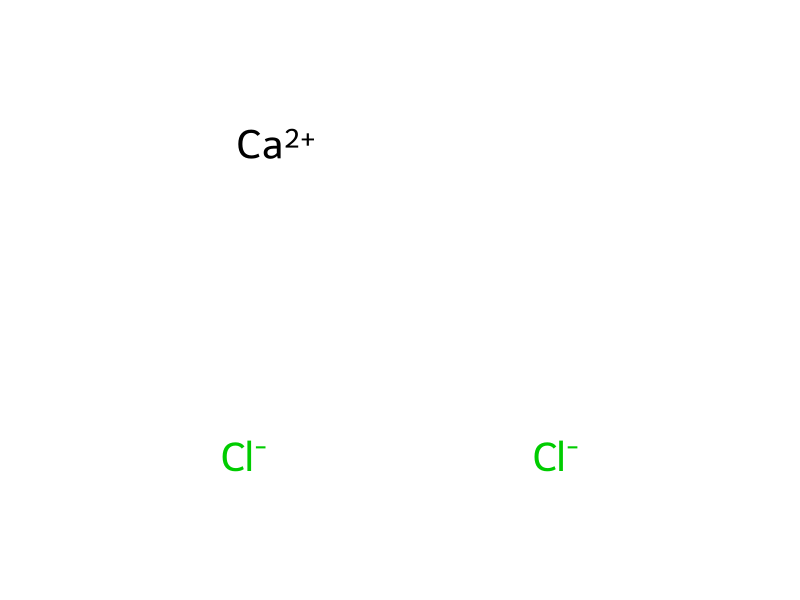
[C:1]([C:3]1[C:9]([C:10]#[N:11])=[C:8]([OH:12])[CH:7]=[CH:6][C:4]=1[OH:5])#[N:2].[NH2:13][C:14]1[CH:19]=[CH:18][CH:17]=[CH:16][N:15]=1.[Cl-].[Cl-].[Ca+2].C(Cl)Cl>C(O)CCC.O>[N:15]1[CH:16]=[CH:17][CH:18]=[CH:19][C:14]=1[N:11]=[C:10]1[C:9]2[C:3](=[C:4]([OH:5])[CH:6]=[CH:7][C:8]=2[OH:12])[C:1](=[N:13][C:14]2[CH:19]=[CH:18][CH:17]=[CH:16][N:15]=2)[NH:2]1Participants
Reactant 4

Product 1

Reagents, catalysts & solvents 2


Conditions
- Temperature
- -40 °C
Procedure
A solution of 1.0 g (6.24 mmol) 2,3-dicyanohydroquinone, 1.23 g (13.11 mmol) 2-aminopyridine and 0.14 g (1.3 mmol) CaCl2 in 20 ml 1-butanol was refluxed under N2. Despite the presents of fluorescent blue 2,3-dicyanohydroquinone starting material, as observed by TLC (CH2Cl2), the reaction was discontinued after 20 days. The reaction mixture was poured into 500 mL of H2O. The precipitate was collected by filtration and was washed with water until no blue fluorescents was observed from the filtrate. The precipitate was then dissolved in boiling CH2Cl2 and then cooled to −40° C. overnight. Precipitate was then collected by filtration and washed with MeOH. 0.485 g (24%), yellow needles. MS (Maldi-TOF): m/z=331.85. HRMS-FAB (m/z): [M+H]+ calcd for C18H14N5O2, 332.1142. found, 332.1136. 1H NMR (400 MHz, CDCl3), δ 13.3 (s, 1H), 8.57 (ddd, J=4.8, 2.0, 0.8 Hz, 2H), 7.75 (ddd, J=8.0, 7.6, 2.0 Hz, 2H), 7.35 (d, J=8.0 Hz, 2H), 7.11 (ddd, J=7.6, 4.8, 0.8 Hz, 2H), 7.00 (s, 2H). 13C NMR (100 MHz, CDCl3) δ 159.3, 154.9, 149.0, 147.9, 147.9, 138.1, 122.4, 121.4, 120.4, 116.2.
Workup
- filtrationThe precipitate was collected by filtration
- washwas washed with water until no blue fluorescents
- dissolutionThe precipitate was then dissolved
- filtrationPrecipitate was then collected by filtration
- washwashed with MeOH
Sources & evidence
- ORD record
- ord-2933715962d14eb68f1c28b8c7762245
- Source dataset
- uspto-grants-2016_08
- Patent number
- US09412955B2
Reaction notes
Loading…