Acetaldehyde → Acrylic Acid
Reaction equation

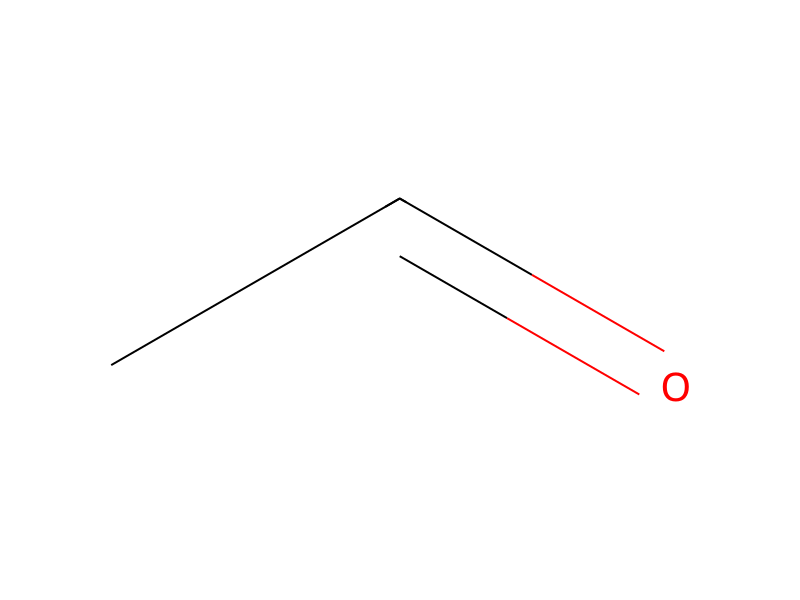
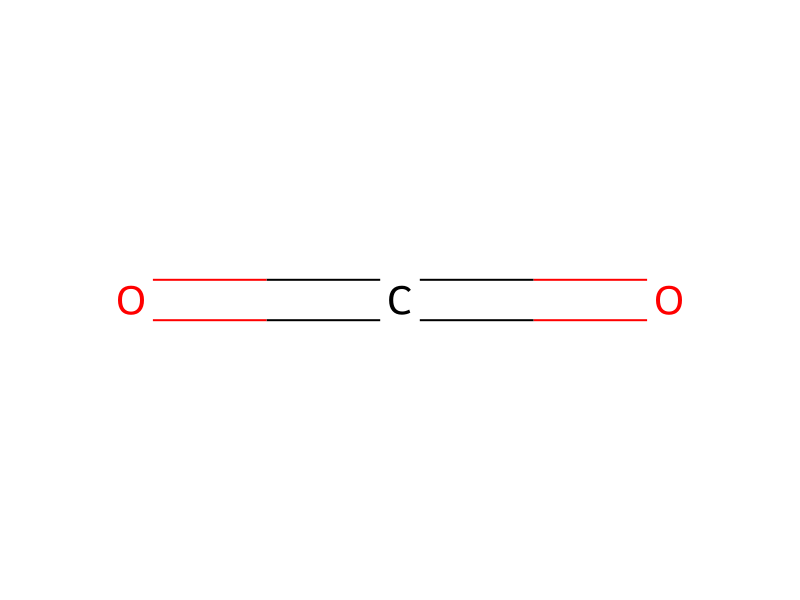
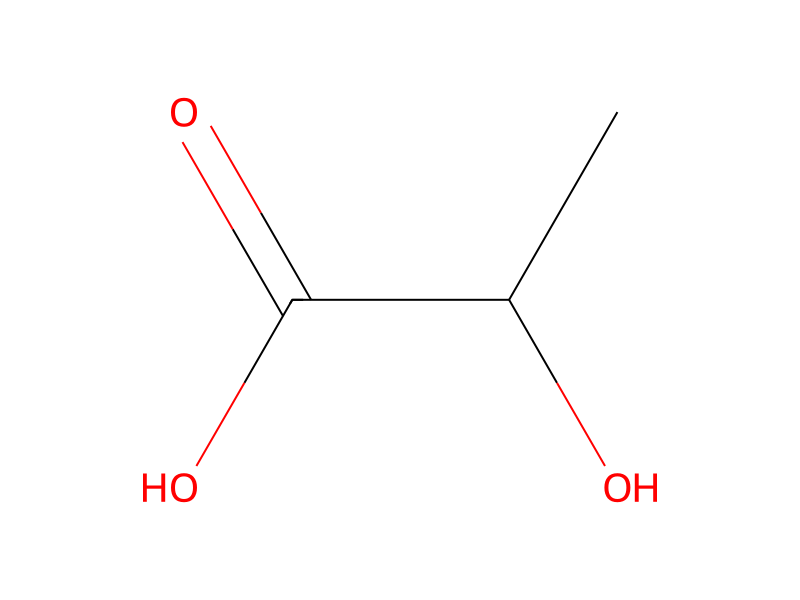
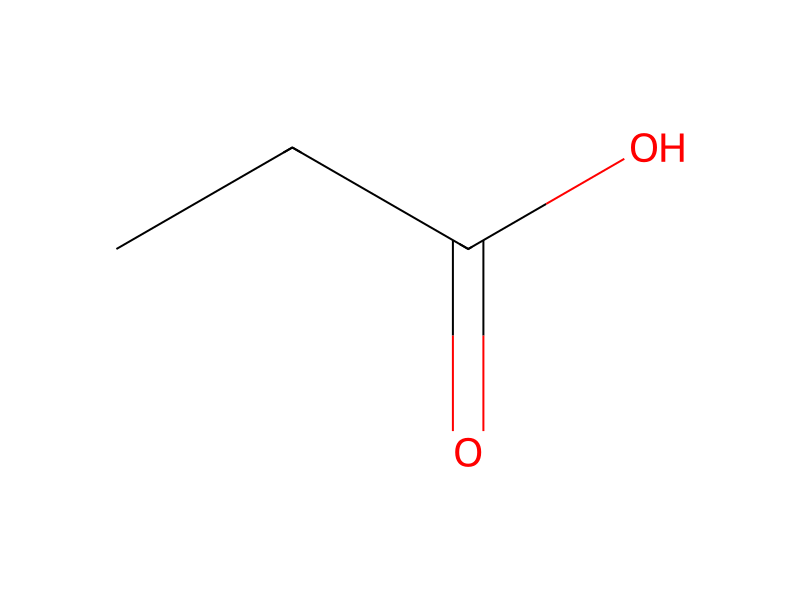
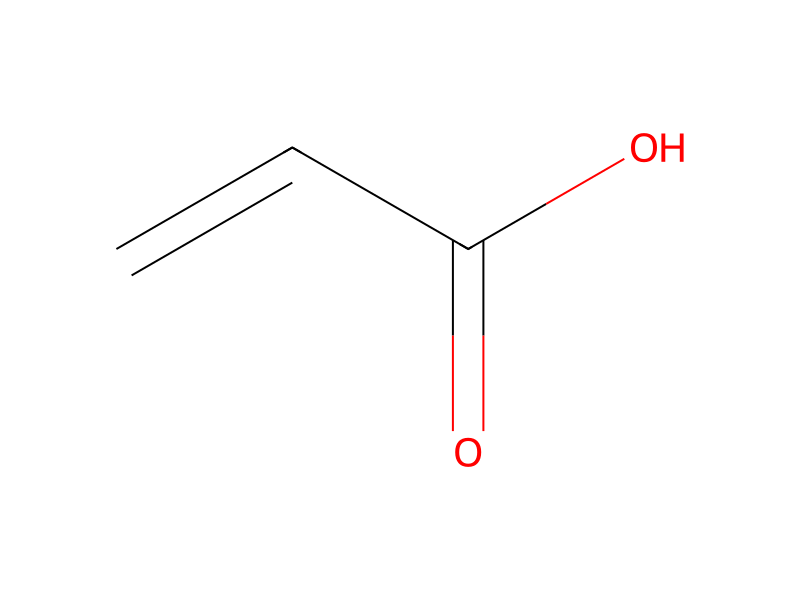
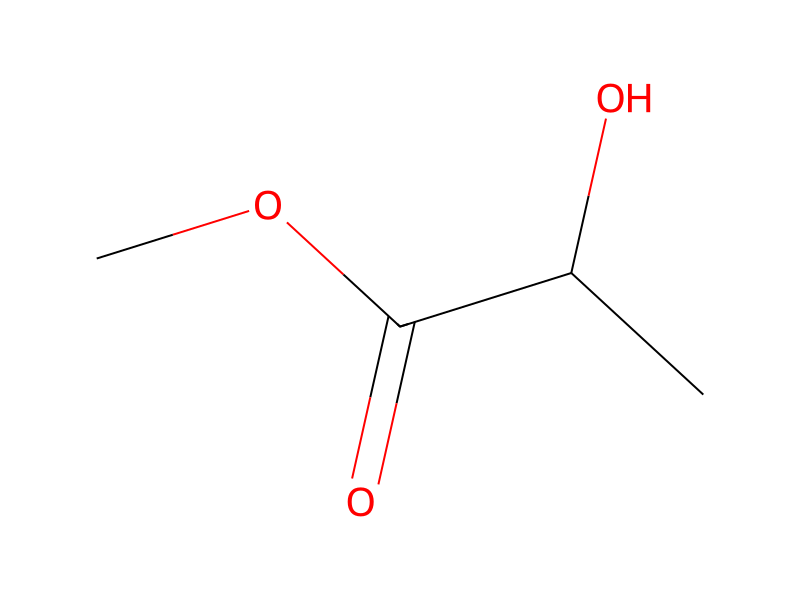
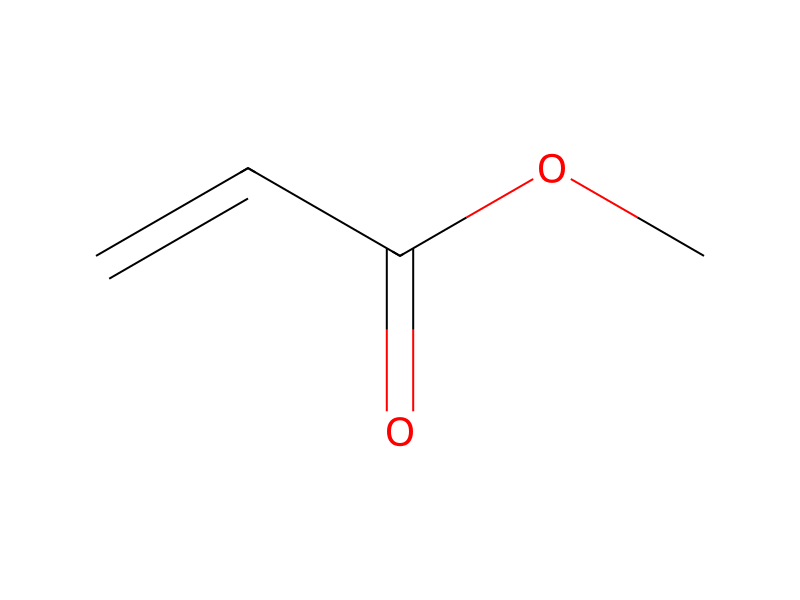
[C:1]([OH:6])(=[O:5])[CH:2]([CH3:4])[OH:3].[C:7]([O-])(=O)C(C)O.[NH4+].C(O)(=O)C=C.P([O-])([O-])([O-])=O.[Al+3].C(=O)C.C(O)(=O)CC.C(=O)=O.C(OC)(=O)C(C)O>>[C:1]([OH:6])(=[O:5])[CH:2]=[CH2:4].[C:1]([O:6][CH3:7])(=[O:5])[CH:2]=[CH2:4].[CH:2](=[O:3])[CH3:1]Participants


Procedure
For example, in U.S. Pat. No. 4,786,756 (issued in 1988), the inventors claim the vapor phase dehydration of lactic acid or ammonium lactate to acrylic acid using aluminum phosphate (AlPO4) treated with an aqueous inorganic base as a catalyst. As examples, the '756 patent discloses a maximum yield of acrylic acid of 43.3% when lactic acid was fed into the reactor at approximately atmospheric pressure, and a respective yield of 61.1% when ammonium lactate was fed into the reactor. In both examples, acetaldehyde was produced at yields of 34.7% and 11.9%, respectively, and other side products were also present in large quantities, such as, propionic acid, CO, and CO2. Omission of the base treatment caused increased amounts of the side products. Another example is Hong et al. (2011) Appl. Catal. A: General 396:194-200, who developed and tested composite catalysts made with Ca3(PO4)2 and Ca2(P2O7) salts with a slurry-mixing method. The catalyst with the highest yield of acrylic acid from methyl lactate was the 50%-50% (by weight) catalyst. It yielded 68% acrylic acid, about 5% methyl acrylate, and about 14% acetaldehyde at 390° C. The same catalyst achieved 54% yield of acrylic acid, 14% yield of acetaldehyde, and 14% yield of propionic acid from lactic acid.
Workup
- additiontreated with an aqueous inorganic base as a catalyst
- customat yields of 34.7% and 11.9%
- temperatureOmission of the base treatment caused increased amounts of the side products
Sources & evidence
- ORD record
- ord-024beab260d7481fb9ebff15f3f27572
- Source dataset
- uspto-grants-2016_08
- Patent number
- US09422222B2
Reaction notes
Loading…