Hydrochloric Acid → 2-Fluoro-4-methoxyaniline
Reaction equation

N([O-])=O.[Na+].[ClH:5].[Sn](Cl)Cl.NN.CCOC(C1C(=O)CCCC1)=O.[F:23][C:24]1[CH:29]=[C:28]([O:30][CH3:31])[CH:27]=[CH:26][C:25]=1[N:32]1[C:40](=O)[C:39]2[CH2:38][CH2:37][CH2:36][CH2:35][C:34]=2[NH:33]1>P(Cl)(Cl)(Cl)=O.C(O)(=O)C>[F:23][C:24]1[CH:29]=[C:28]([O:30][CH3:31])[CH:27]=[CH:26][C:25]=1[NH2:32].[Cl:5][C:40]1[N:32]([C:25]2[CH:26]=[CH:27][C:28]([O:30][CH3:31])=[CH:29][C:24]=2[F:23])[N:33]=[C:34]2[C:39]=1[CH2:38][CH2:37][CH2:36][CH2:35]2Participants
Reactant 6


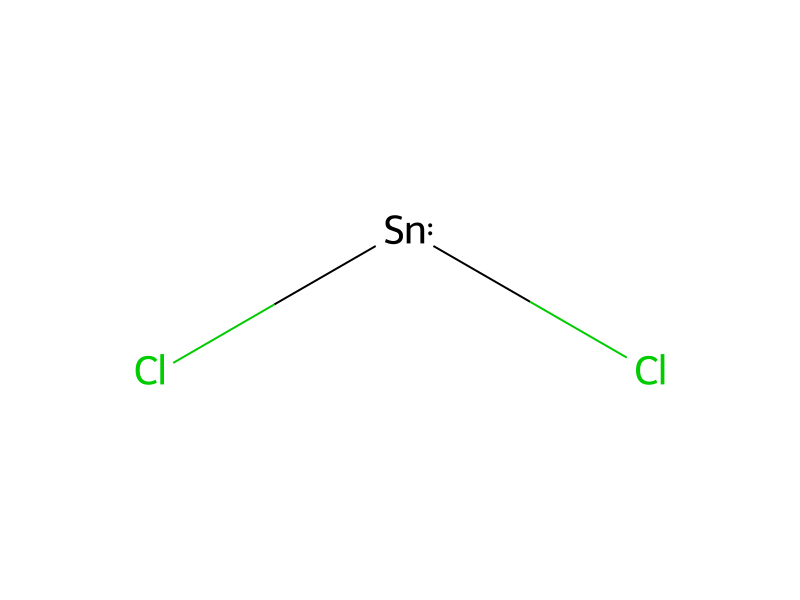



Product 2


Reagents, catalysts & solvents 2


Procedure
The diazonium salt of 2-fluoro-4-methoxyaniline was prepared using sodium nitrite and hydrochloric acid and was then reduced in situ with tin(II) chloride to prepare the correspondingly substituted phenylhydrazine (XIX). Reaction of this hydrazine with ethyl 2-cyclohexanonecarboxylate and subsequent heating of the product in the presence of acetic acid produced a mixture of 2-(2-fluoro-4-methoxyphenyl)-4,5,6,7-tetrahydro-1H-indazol-3-one (XX) and the 2-fluoro-4-methoxyphenylhydrazone of 2-cyclohexanonecarboxylic acid. This mixture was heated in phosphorus oxychloride, yielding 3-chloro-2-(2-fluoro-4-methoxyphenyl)-4,5,6,7-tetrahydroindazole (XXI), which was then cleaved with boron tribromide to the desired 3-chloro-2-(2-fluoro-4-hydroxyphenyl)-4,5,6,7-tetrahydroindazole (XXII). ##STR14##
Workup
- customproduced
Sources & evidence
- ORD record
- ord-ceebb75564de4a0785b62b2200a644d8
- Source dataset
- uspto-grants-1997_10
- Patent number
- US05674810
Reaction notes
Loading…