Sodium hydride → HCID 22903625, compound
Reaction equation

F[C:2]1[CH:3]=[C:4]2[C:8](=[CH:9][CH:10]=1)[C:7](=[O:11])[CH:6]([N:12]1[CH:16]=[CH:15][N:14]=[C:13]1[C:17]([O:19][CH2:20][CH3:21])=[O:18])[CH2:5]2.N1C=CN=C1C(OCC)=O.[H-].[Na+].BrC1CC2C(=CC([Cl:44])=CC=2)C1=O>ClCCl.C(OCC)(=O)C.CN(C)C=O>[Cl:44][C:10]1[CH:9]=[C:8]2[C:4]([CH2:5][CH:6]([N:12]3[CH:16]=[CH:15][N:14]=[C:13]3[C:17]([O:19][CH2:20][CH3:21])=[O:18])[C:7]2=[O:11])=[CH:3][CH:2]=1Participants
7
Reactant 4



Product 1

Reagents, catalysts & solvents 2

Procedure
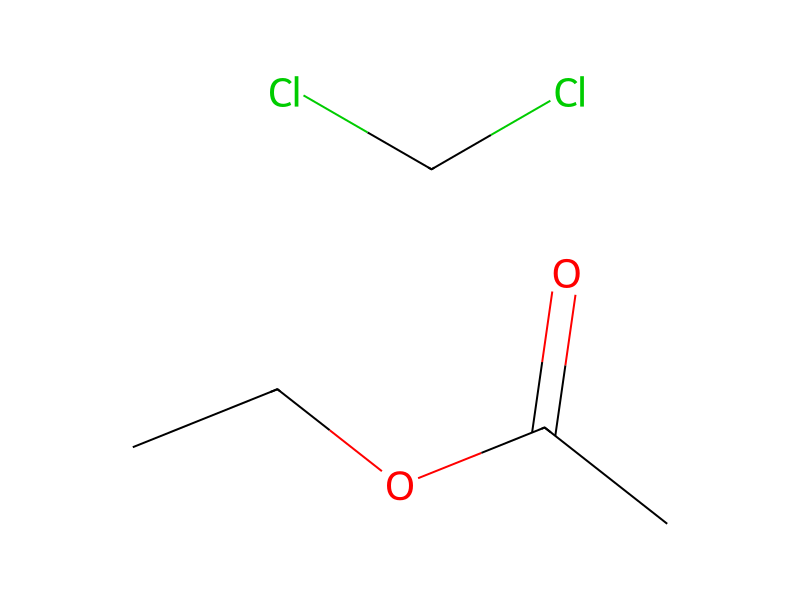
The ethyl 1-(6-chloro-1-oxo-1-indanyl)imidazole-2-carboxylate can be prepared as in Example 1 for the preparation of ethyl 1-(5-fluoro-1-oxo-2-indanyl)imidazole-2-carboxylate but starting with 2.5 g of ethyl imidazole-2-carboxylate, 0.7 g of 80% sodium hydride, 5.4 g of 2-bromo-6-chloro-1-indanone and a total of 70 ml of anhydrous dimethylformamide. After silica gel chromatography with a dichloromethane-ethyl acetate mixture (70-30 by volume), 1 g of ethyl 1-(6-chloro-1-oxo-2-indanyl)imidazole-2-carboxylate is obtained which melts at 180° C.
Sources & evidence
- ORD record
- ord-ddf09661791e42bfb047565e0a785ad2
- Source dataset
- uspto-grants-1997_10
- Patent number
- US05677306
Reaction notes
Loading…