Ammonia → HCID 18954420, compound
Reaction equation

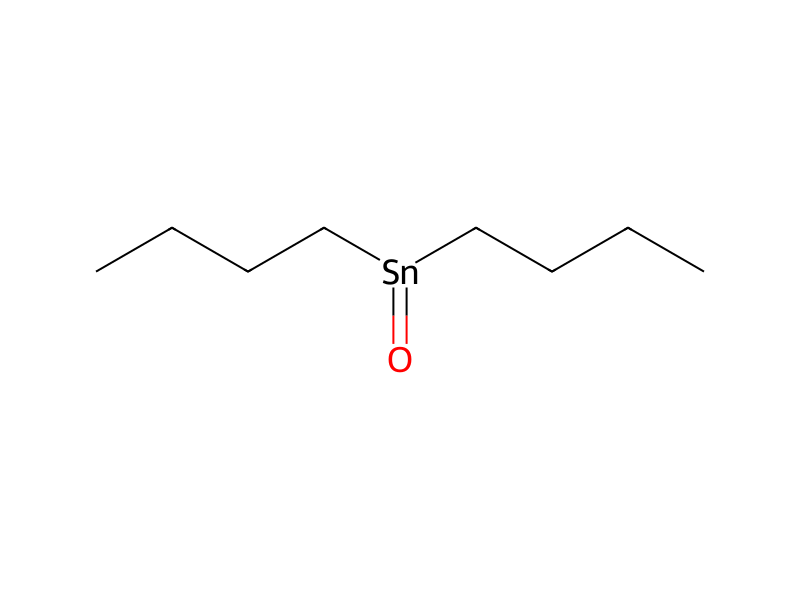
[CH3:1][O:2][CH2:3][CH2:4][NH2:5].N[C:7](N)=[O:8].[CH2:10]([CH:12]([CH2:15][CH2:16][CH2:17][CH3:18])[CH2:13][OH:14])[CH3:11].C([Sn](=O)CCCC)CCC.N>>[CH3:1][O:2][CH2:3][CH2:4][NH:5][C:7](=[O:8])[O:14][CH2:13][CH:12]([CH2:10][CH3:11])[CH2:15][CH2:16][CH2:17][CH3:18]Participants





Conditions
- Temperature
- 180 °C
Procedure
225 g (3.0 mols) of 2-methoxyethylamine, 180 g (3.0 mols) of urea, 1,950 g (15 mols) of 2-ethylhexanol and 3 g of dibutyltin oxide are introduced into a 4 liter round-bottom flask equipped with reflux condenser, and the mixture is heated while stirring. A vigorous evolution of ammonia sets in at temperatures above 110° C. Ammonia gas is removed through the reflux condenser and absorbed in water. Over the course of 3 hours, the temperature is increased to 180° C. (reflux), the elimination of ammonia virtually ceasing. After a further 2 hours under reflux, the mixture is freed of remaining ammonia by flushing with nitrogen and subsequently subjected to fractional distillation. After a first cut comprising mainly ethylhexanol, the desired urethane distills over at 98°-100° C./0.1 mbar as a colorless liquid (yield: 617 g=89% of theory). 27 g of a brown liquid remain as the distillation residue and solidify to give a pasty product on cooling.
Workup
- customequipped
- temperaturewith reflux condenser
- temperaturethe mixture is heated
- customin at temperatures above 110° C
- customAmmonia gas is removed through the reflux condenser
- customabsorbed in water
- temperature(reflux)
- temperatureAfter a further 2 hours under reflux
- customby flushing with nitrogen
- distillationsubsequently subjected to fractional distillation
- distillationAfter a first cut comprising mainly ethylhexanol, the desired urethane distills over at 98°-100° C./0.1 mbar as a colorless liquid (yield: 617 g=89% of theory)
- customto give a pasty product
- temperatureon cooling
Sources & evidence
- ORD record
- ord-159029874f4547bdab799f0af2fe3275
- Source dataset
- uspto-grants-1994_12
- Patent number
- US05371271
Reaction notes
Loading…