Water → HCID 86744869, compound
Reaction equation

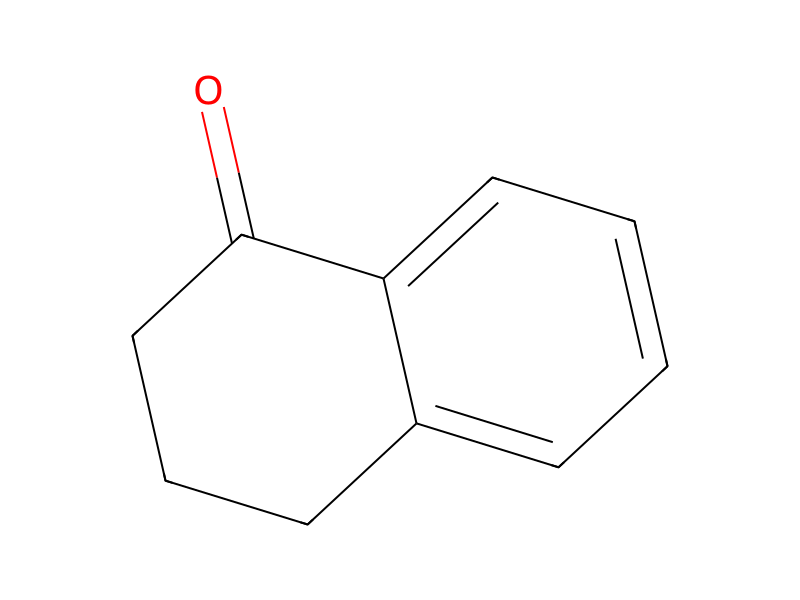
[C:1]1(=[O:11])C2C(=CC=CC=2)[CH2:4][CH2:3][CH2:2]1.[NH:12]1[CH2:17][CH2:16][NH:15][CH2:14][CH2:13]1.[C:18]1([CH3:28])[CH:23]=[CH:22][C:21]([S:24]([OH:27])(=[O:26])=[O:25])=[CH:20][CH:19]=1.O.[C:30]1(C)C=CC=CC=1>>[S:24]([C:21]1[CH:22]=[CH:23][C:18]([CH3:28])=[CH:19][CH:20]=1)([OH:27])(=[O:26])=[O:25].[N:12]1([C:19]2[CH2:20][CH2:21][C:22]3[C:23]([C:18]=2[CH3:28])=[C:1]([O:11][CH3:30])[CH:2]=[CH:3][CH:4]=3)[CH2:17][CH2:16][NH:15][CH2:14][CH2:13]1Participants
6





Procedure
The foregoing tetralone (3.27 g; 17.3 mmol) was dissolved in 150 ml of toluene. To the solution then were added 3.04 g (34.6 mmol) of piperazine followed by 7.2 g (38.2 mmol) of p-toluenesulfonic acid. The mixture was stirred at reflux under nitrogen with constant water removal. After 2 hours, the reaction mixture was cooled to room temperature, and the volatiles were removed in vacuo to obtain 3-piperazinyl-4-methyl-5-methoxy-1,2-dihydronaphthalene tosylate as a light yellow solid.
Workup
- customthe volatiles were removed in vacuo
Sources & evidence
- ORD record
- ord-3365405d7c354e4983d658cfc410ebcd
- Source dataset
- uspto-grants-1991_06
- Patent number
- US05026707
Reaction notes
Loading…