Hydrochloric Acid → HCID 15617838, compound
Reaction equation

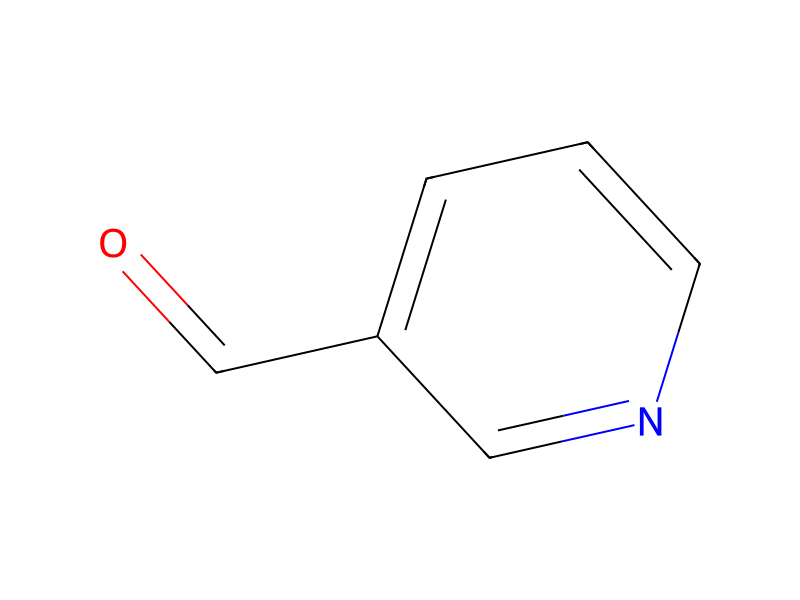
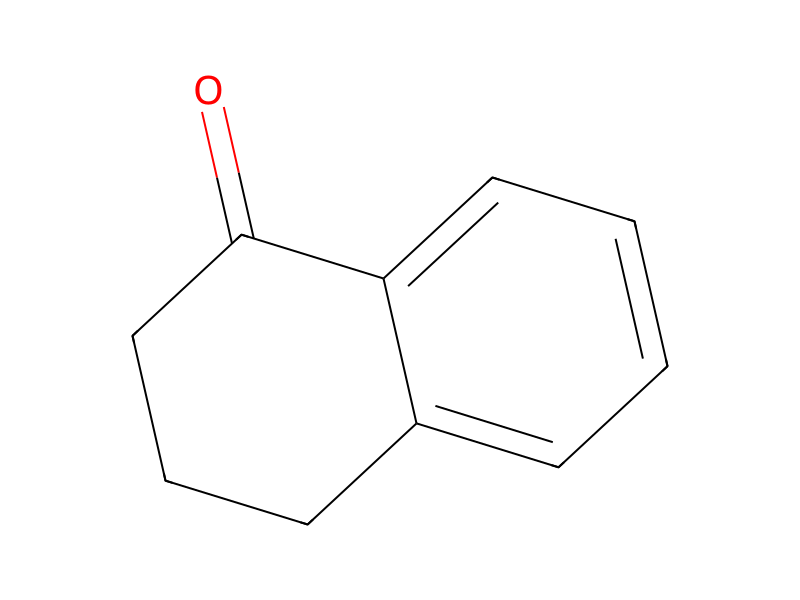
[C:1]1(=[O:11])[C:10]2[C:5](=[CH:6][CH:7]=[CH:8][CH:9]=2)[CH2:4][CH2:3][CH2:2]1.[N:12]1[CH:17]=[CH:16][CH:15]=[C:14]([CH:18]=O)[CH:13]=1.CC(C)([O-])C.[K+].Cl.[OH-].[Na+]>C(O)(C)(C)C>[N:12]1[CH:17]=[CH:16][CH:15]=[C:14]([CH2:18][C:2]2[CH:3]=[CH:4][C:5]3[C:10](=[CH:9][CH:8]=[CH:7][CH:6]=3)[C:1]=2[OH:11])[CH:13]=1Participants
7





Procedure
A solution of 1-tetralone (5.85 g, 0.040 mole) and pyridine-3-carboxaldehyde (4.28 g, 0.40 mol) in t-butanol (400 mL) was treated with potassium t-butoxide (8.98 g, 0.080 mol) and the resulting mixture heated at reflux for 16 hours. After cooling to room temperature, the solution was poured into stirred 1.0N hydrochloric acid, and the pH of the resulting mixture was adjusted to 7.0 with 10% aqueous sodium hydroxide.
Workup
- temperaturethe resulting mixture heated
- temperatureat reflux for 16 hours
- additionthe solution was poured
Sources & evidence
- ORD record
- ord-af84511b15344387ad70f913e76cab56
- Source dataset
- uspto-grants-1991_06
- Patent number
- US05026759
Reaction notes
Loading…