Sodium borohydride → Methyl 2-chloro-6-(hydroxymethyl)nicotinate
Reaction equation

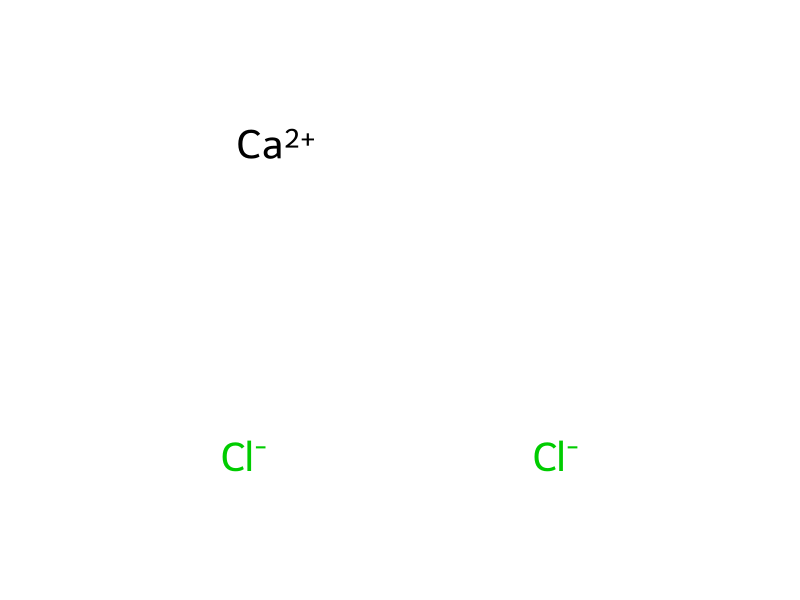
[Cl-].[Ca+2].[Cl-].[BH4-].[Na+].C[O:7][C:8]([C:10]1[CH:15]=[CH:14][C:13]([C:16]([O:18][CH3:19])=[O:17])=[C:12]([Cl:20])[N:11]=1)=O>C(O)C.C1COCC1>[CH3:19][O:18][C:16](=[O:17])[C:13]1[CH:14]=[CH:15][C:10]([CH2:8][OH:7])=[N:11][C:12]=1[Cl:20]Participants





Procedure
A cold (0° C.) suspension of calcium chloride (19.54 g, 176 mmol) and sodium borohydride (4.18 g, 110 mmol) in anhydrous ethanol (176 mL) and anhydrous THF (88 mL) was stirred for 1 hour, after which 6-chloro-pyridine-2,5-dicarboxylic acid dimethyl ester (9.97 g, 44 mmol) was added. After stirring at 0° C. for a further 6 hours, the reaction was quenched by the addition of H2SO4 (35 mL, 5M). The reaction mixture was diluted with ethyl acetate and filtered through Celite®. The filtrate was washed with 1M NaOH, water and brine, the organic phase was isolated, dried (Na2SO4), filtered and concentrated in vacuo. The resultant residue was subjected to flash chromatography (Si-PPC, gradient 0% to 100%, ethyl acetate in hexane) to afford the title compound as a yellow oil (6.14 g, 69%). LCMS (method B): RT=2.34 min, [M+H]+=202.
Workup
- stirringAfter stirring at 0° C. for a further 6 hours
- customthe reaction was quenched by the addition of H2SO4 (35 mL, 5M)
- additionThe reaction mixture was diluted with ethyl acetate
- filtrationfiltered through Celite®
- washThe filtrate was washed with 1M NaOH, water and brine
- customthe organic phase was isolated
- dry with materialdried (Na2SO4)
- filtrationfiltered
- concentrationconcentrated in vacuo
Sources & evidence
- ORD record
- ord-0eb7b71b68c348dda65326b611b4d8bb
- Source dataset
- uspto-grants-2015_12
- Patent number
- US09206174B2
Reaction notes
Loading…