Dichloromethane → HCID 90046309, compound
Reaction equation

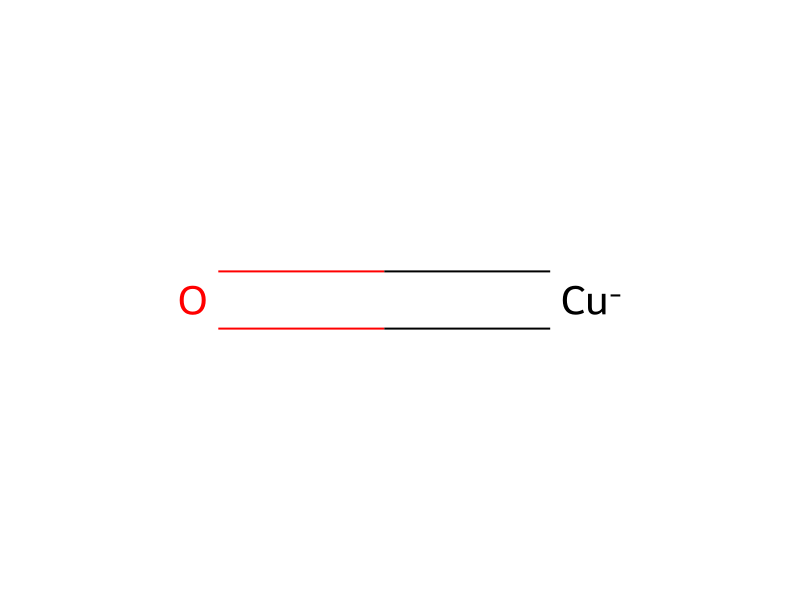
Br[C:2]1[CH:10]=[C:9]2[C:5]([C:6]([CH3:16])([CH3:15])[C:7](=[O:14])[N:8]2[CH:11]2[CH2:13][CH2:12]2)=[CH:4][C:3]=1[F:17].[OH-].[NH4+:19].ClCCl>CN1C(=O)CCC1.[Cu-]=O>[NH2:19][C:2]1[CH:10]=[C:9]2[C:5]([C:6]([CH3:16])([CH3:15])[C:7](=[O:14])[N:8]2[CH:11]2[CH2:13][CH2:12]2)=[CH:4][C:3]=1[F:17]Participants
6





Conditions
- Temperature
- 110 °C
Procedure
To a solution of 6-bromo-1-cyclopropyl-5-fluoro-3,3-dimethylindolin-2-one (example 36b, 400 mg, 1.34 mmol) in NMP (7 ml) were added ammonium hydroxide (6.3 g, 7 ml, 44.9 mmol) and copper(I) oxide (38.4 mg, 268 μmol). The reaction mixture was heated in a sealed tube to 110° C. for 24 hours and then poured into dichloromethane (20 ml). The organic phase was washed with 1 M aqueous sodium bicarbonate solution and with water, dried over sodium sulfate and concentrated in vacuo. The NMP was removed by kugelrohr distillation. The residue was purified by silica gel chromatography using ethyl acetate/heptane as eluent. The title compound was obtained as off-white crystals (257 mg).
Workup
- washThe organic phase was washed with 1 M aqueous sodium bicarbonate solution and with water
- dry with materialdried over sodium sulfate
- concentrationconcentrated in vacuo
- customThe NMP was removed by kugelrohr distillation
- customThe residue was purified by silica gel chromatography
Sources & evidence
- ORD record
- ord-ad7defecaf184768879b44b61107c19b
- Source dataset
- uspto-grants-2015_12
- Patent number
- US09221816B2
Reaction notes
Loading…