Triethylamine → Acenaphthenyl methacrylate
Reaction equation

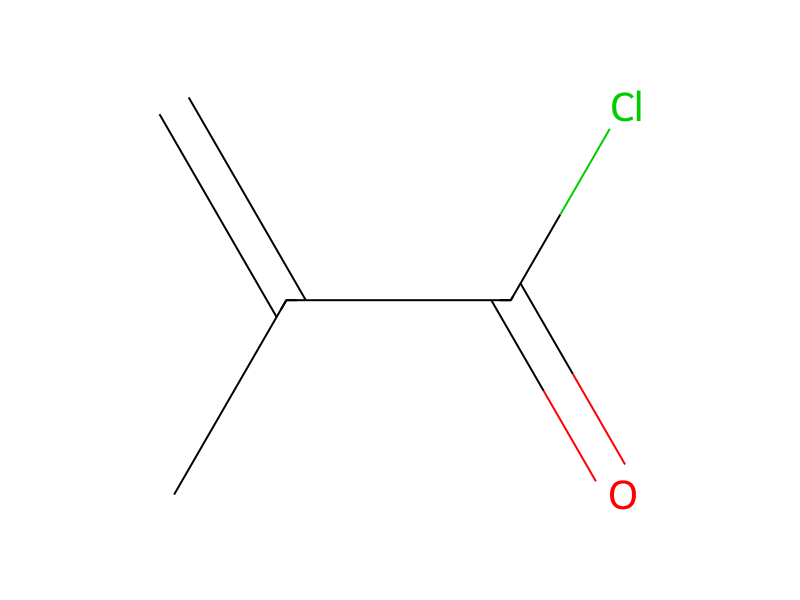
C(N(CC)CC)C.[C:8](Cl)(=[O:12])[C:9]([CH3:11])=[CH2:10].[OH:14][CH:15]1[C:25]2=[C:26]3[C:21](=[CH:22][CH:23]=[CH:24]2)[CH:20]=[CH:19][CH:18]=[C:17]3[CH2:16]1>C1(C)C=CC=CC=1>[C:8]([O:14][CH:15]1[C:25]2=[C:26]3[C:21](=[CH:22][CH:23]=[CH:24]2)[CH:20]=[CH:19][CH:18]=[C:17]3[CH2:16]1)(=[O:12])[C:9]([CH3:11])=[CH2:10]Participants
5
Reactant 3


Product 1

Reagents, catalysts & solvents 1

Procedure
With stirring and ice cooling, 111 g of triethylamine was added to a mixture of 120 g of methacrylic acid chloride, 170 g of 1-hydroxyacenaphthene, and 1500 g of toluene. The mixture was stirred at room temperature for 16 hours. By standard aqueous work-up and solvent distillation, a crude product was obtained. It was purified by column chromatography, yielding the target compound, acenaphthenyl methacrylate.
Workup
- stirringThe mixture was stirred at room temperature for 16 hours
- distillationBy standard aqueous work-up and solvent distillation
- customa crude product was obtained
- customIt was purified by column chromatography
Sources & evidence
- ORD record
- ord-ae64aa7a3d984973aede869ee298bb67
- Source dataset
- uspto-grants-2012_07
- Patent number
- US08211618B2
Reaction notes
Loading…