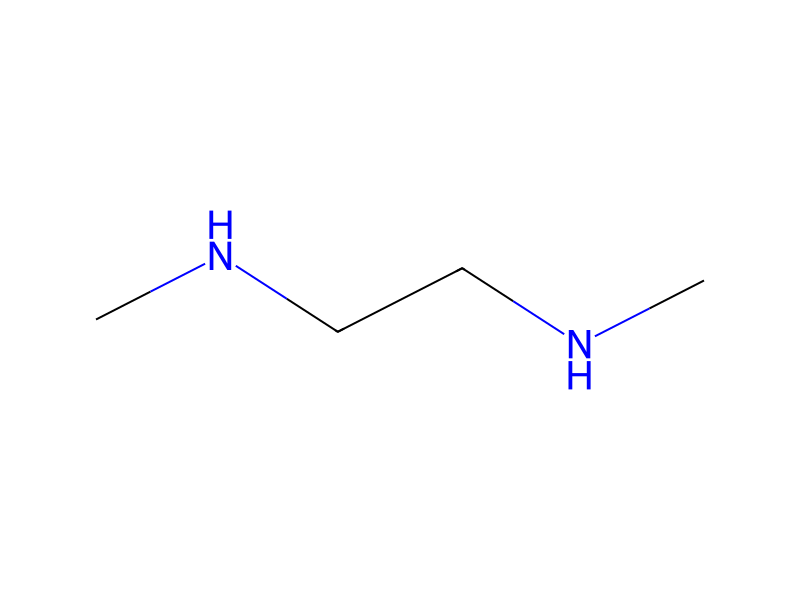
N,N'-Dimethylethylenediamine → HCID 66920199, compound
Reaction equation

[CH3:1][O:2][C:3]1[CH:11]=[C:10]2[C:6]([CH2:7][C:8](=[O:12])[NH:9]2)=[CH:5][CH:4]=1.CNCCNC.C(=O)([O-])[O-].[K+].[K+].[F:25][C:26]1[CH:31]=[CH:30][C:29](I)=[CH:28][CH:27]=1>C(#N)C.[Cu]I>[F:25][C:26]1[CH:31]=[CH:30][C:29]([N:9]2[C:10]3[C:6](=[CH:5][CH:4]=[C:3]([O:2][CH3:1])[CH:11]=3)[CH2:7][C:8]2=[O:12])=[CH:28][CH:27]=1Participants
7
Reactant 4



Product 1

Reagents, catalysts & solvents 2


Conditions
- Temperature
- 120 °C
Procedure
To a mixture of 6-methoxy-1,3-dihydro-indol-2-one (500 mg, 3.06 mmol), copper(I) iodide (58.3 mg, 306 μmol), N,N′-dimethylethylenediamine (65.3 μl, 613 μmol) and potassium carbonate (932 mg, 6.74 mmol) in ACN (7 ml) was added 4-fluoroiodobenzene (474 μl, 3.68 mmol). The reaction mixture was stirred for 3 h at 120° C. in a microwave reactor. The mixture was quenched with water and extracted with EA. The organic layer was separated, dried over sodium sulfate, filtered and evaporated. The residue was purified by silica gel chromatography (EA/HEP 1:4). 510 mg of the title compound were obtained.
Workup
- customThe mixture was quenched with water
- extractionextracted with EA
- customThe organic layer was separated
- dry with materialdried over sodium sulfate
- filtrationfiltered
- customevaporated
- customThe residue was purified by silica gel chromatography (EA/HEP 1:4)
Sources & evidence
- ORD record
- ord-100aad503c8b41bfa6d760b1eec9071e
- Source dataset
- uspto-grants-2012_07
- Patent number
- US08211885B2
Reaction notes
Loading…