Glycine → HCID 10198442, compound
Reaction equation

[CH3:1][C:2]([NH:4][C:5]1[CH:6]=[CH:7][C:8]([OH:11])=[CH:9][CH:10]=1)=[O:3].[NH2:12][CH2:13][C:14]([OH:16])=[O:15].CCN(CC)CC>CN(C=O)C>[CH3:1][C:2]([NH:4][C:5]1[CH:10]=[CH:9][C:8]([OH:11])=[CH:7][CH:6]=1)=[O:3].[NH2:12][CH2:13][C:14]([OH:16])=[O:15]Participants
5
Reactant 3
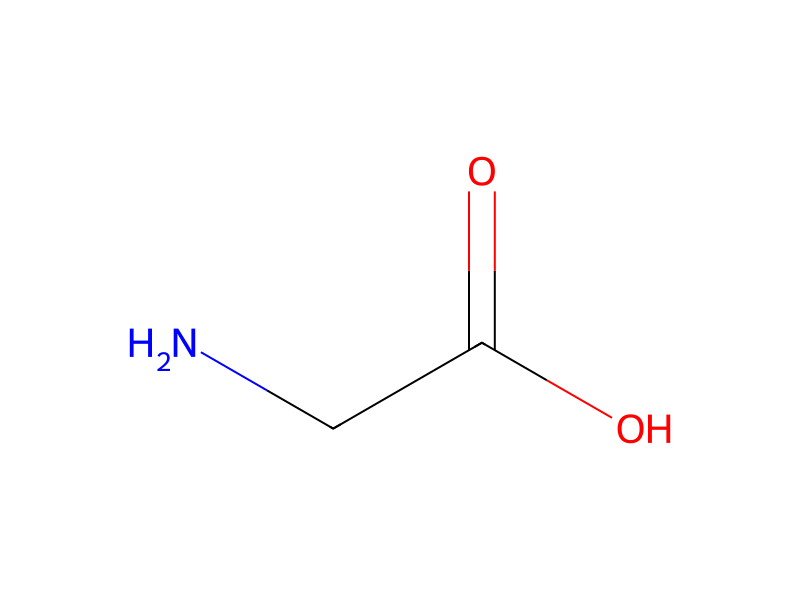


Product 1

Reagents, catalysts & solvents 1

Procedure
A mixture of the acetaminophen (1 equivalent), an acyl chloride derivative of glycine (1.1 equivalents) and, optionally, Et3N (2 equivalents; used to free starting materials found as their HCl salts) is stirred in 5-10 ml DMF at room temperature, under nitrogen atmosphere, for 24 hours. The mixture is then extracted with ethyl acetate and water. The organic layer is thereafter washed with 5% NaHCO3 and brine, dried over MgSO4, filtered and evaporated, to thereby generate the acetaminophen-glycine conjugate.
Workup
- extractionThe mixture is then extracted with ethyl acetate and water
- washThe organic layer is thereafter washed with 5% NaHCO3 and brine
- dry with materialdried over MgSO4
- filtrationfiltered
- customevaporated
Sources & evidence
- ORD record
- ord-adbd28e5becf4592abf158e10ccaf529
- Source dataset
- uspto-grants-2012_07
- Patent number
- US08222296B2
Reaction notes
Loading…