Dopamine → Isoquinoline
Reaction equation

NCCC1C=CC(O)=C(O)C=1.[C:12]([N:17]1[C:21](=O)[C:20]2=[CH:23][CH:24]=[CH:25][CH:26]=[C:19]2[C:18]1=O)(OCC)=O.[Cl-].[Cl-].[Ca+2]>CO.[CH2-]C(C)=O>[CH:18]1[C:19]2[C:20](=[CH:23][CH:24]=[CH:25][CH:26]=2)[CH:21]=[CH:12][N:17]=1Participants
Reactant 3


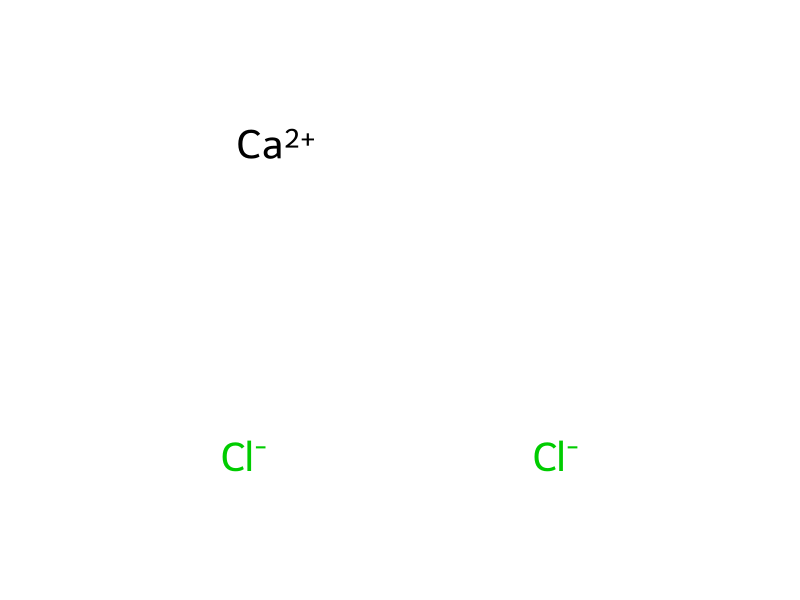
Product 1
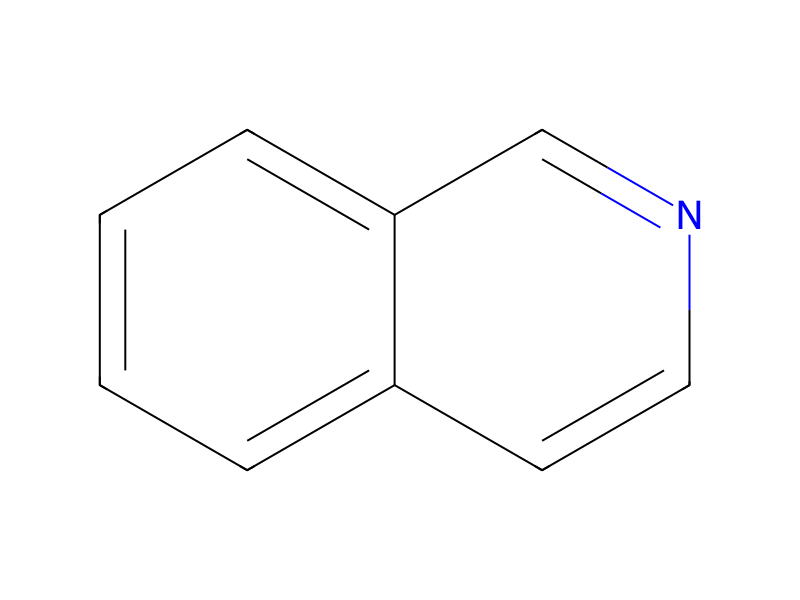
Reagents, catalysts & solvents 2


Procedure
In this example the inventors use the novel method of the present invention to synthesize acetonide-protected dopamine-containing compounds. In general, the N-phthaloyl (Phth) protective group was introduced to dopamine by N-carbethoxyphthalimide in methanol. The resulting Phth-dopamine (8) was then refluxed and volatile byproducts were removed from the reaction system by distillation. The condensed liquid was recycled using a Soxhlet extractor, the thimble of which was filled with anhydrous CaCl2 to absorb water and methanol. In addition, anhydrous solvent and argon protection were used to prevent introduction of water from external sources, shortening the reaction time to ca. 1-2 h from the 24 h sometimes required for traditional methods.43 The raw product was subjected to GC-MS analysis, which gave a major peak in the chromatogram and a molecular ion at 323 (calcd. 323.12) in the mass spectrum, indicating that full protection of the amine group results in acetonide cyclization rather than isoquinoline formation.
Workup
- additioncontaining compounds
- customvolatile byproducts were removed from the reaction system by distillation
- customThe condensed liquid
- customto absorb water and methanol
- customto ca. 1-2 h
- customfrom the 24 h
- customgave a major peak in the chromatogram
Sources & evidence
- ORD record
- ord-3eeba30625df48c5b8f9f400ec969435
- Source dataset
- uspto-grants-2012_07
- Patent number
- US08227628B2
Reaction notes
Loading…