Triethylamine → 2-(4-chloro-3,5-diphenyl-1H-pyrazolo[3,4-c]pyridazin-1-yl)-N-methylacetamide
Reaction equation

[Cl:1][C:2]1[C:7]([C:8]2[CH:13]=[CH:12][CH:11]=[CH:10][CH:9]=2)=[N:6][N:5]=[C:4]2[N:14]([CH2:23][C:24](O)=[O:25])[N:15]=[C:16]([C:17]3[CH:22]=[CH:21][CH:20]=[CH:19][CH:18]=3)[C:3]=12.ClC1C(C2C=CC=CC=2)=N[N:31]=[C:30]2N(C)N=C(C3C=CC=CC=3Cl)C=12.C(CC#N)(=O)C1C=CC=CC=1.Cl.N(CC(OCC)=O)N.C(N(CC)CC)C.OC1C=CC=C[N+]=1[O-].Cl.CN.Cl.CN(C)CCCN=C=NCC.C(N(C(C)C)CC)(C)C>C(Cl)Cl.CN(C=O)C>[Cl:1][C:2]1[C:7]([C:8]2[CH:13]=[CH:12][CH:11]=[CH:10][CH:9]=2)=[N:6][N:5]=[C:4]2[N:14]([CH2:23][C:24]([NH:31][CH3:30])=[O:25])[N:15]=[C:16]([C:17]3[CH:18]=[CH:19][CH:20]=[CH:21][CH:22]=3)[C:3]=12Participants
Reactant 9
 HCID 8471Triethylamine
 HCID 64799Benzoylacetonitrile
 HCID 81531Diisopropylethylamine
 HCID 27239391,3-Propanediamine, N'-(ethylcarbonimidoyl)-N,N-dimethyl-, monohydrochloride
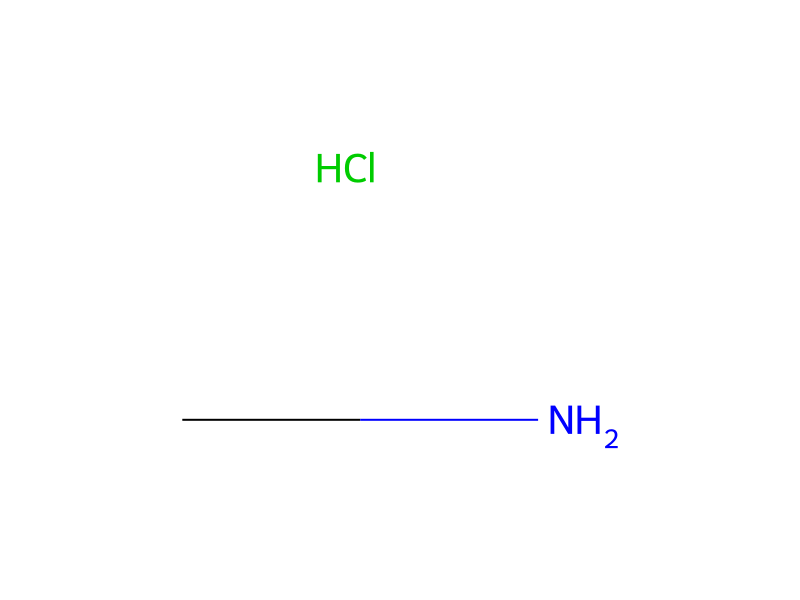 HCID 6364545Methylamine hydrochloride
 HCID 11593468Acetic acid, 2-hydrazinyl-, ethyl ester, hydrochloride (1:1)
 HCID 665757822-(4-chloro-3,5-diphenyl-1H-pyrazolo[3,4-c]pyridazin-1-yl)acetic acid2×
 HCID 665764824-chloro-3-(2-chlorophenyl)-1-methyl-5-phenyl-1H-pyrazolo[3,4-c]pyridazine
 HCID 178526252HCID 178526252, compound
Product 1

Reagents, catalysts & solvents 2


Procedure
Compound 5 was synthesised from 2-(4-chloro-3,5-diphenyl-1H-pyrazolo[3,4-c]pyridazin-1-yl)acetic acid, which was synthesised following similar procedures outlined in Example 1 (Compound 37), using benzoylacetonitrile instead of 2-chlorobenzoyl acetonitrile and ethyl hydrazinoacetate hydrochloride and 1.5 equivalent of triethylamine instead of methylhydrazine in Step 1. To a suspension of 2-(4-chloro-3,5-diphenyl-1H-pyrazolo[3,4-c]pyridazin-1-yl)acetic acid (73 mg, 0.2 mmol) in CH2Cl2 (1 mL) were added 2-hydroxypyridine-N-oxide (HOPO) (22 mg, 0.2 mmol), methylamine hydrochloride (14 mg, 0.2 mmol), 1-(3-dimethylaminopropyl)-3-ethylcarbodiimide hydrochloride (MAC) (50 mg, 0.25 mmol), diisopropylethylamine (DIPEA) (90 μl, 0.2 mmol) and DMF (0.5 mL). The reaction mixture was stirred at room temperature for 90 min then concentrated in vacuo. The residue was purified by preparative HPLC yielding Compound 5 as an off-white solid (6 mg).
Workup
- customwas synthesised
- concentrationthen concentrated in vacuo
- customThe residue was purified by preparative HPLC
Sources & evidence
- ORD record
- ord-ae448d03cde9483d974ef623e63f6d95
- Source dataset
- uspto-grants-2015_07
- Patent number
- US09079909B2
Reaction notes
Loading…