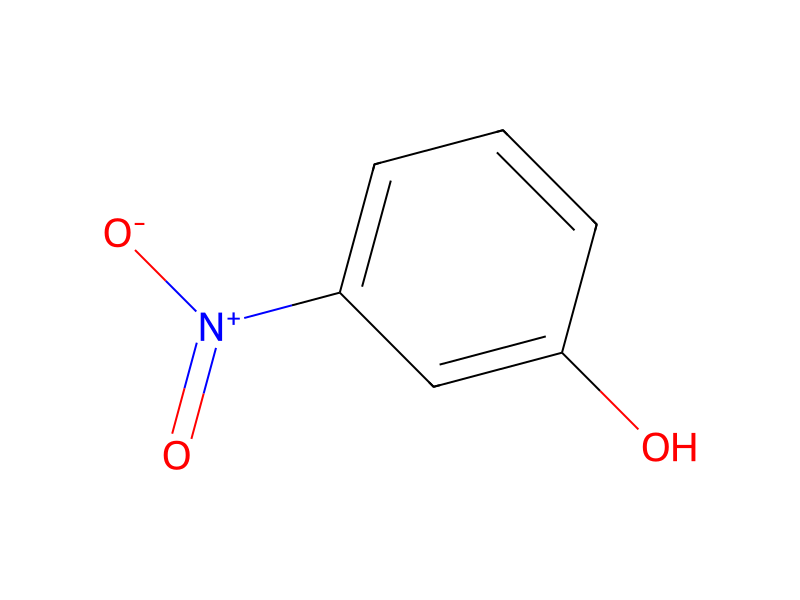
3-Nitrophenol → 3-Chloro-6-ethyl-5-(3-nitrophenoxy)pyrazine-2-carboxamide
Reaction equation

[N+:1]([C:4]1[CH:5]=[C:6]([OH:10])[CH:7]=[CH:8][CH:9]=1)([O-:3])=[O:2].[Cl:11][C:12]1[C:13]([C:21]([NH2:23])=[O:22])=[N:14][C:15]([CH2:19][CH3:20])=[C:16](Cl)[N:17]=1.C(N(C(C)C)CC)(C)C.O1CCOCC1>O>[Cl:11][C:12]1[C:13]([C:21]([NH2:23])=[O:22])=[N:14][C:15]([CH2:19][CH3:20])=[C:16]([O:10][C:6]2[CH:7]=[CH:8][CH:9]=[C:4]([N+:1]([O-:3])=[O:2])[CH:5]=2)[N:17]=1Participants
6





Conditions
- Temperature
- 80 °C
Procedure
A mixture of 3-nitrophenol (1 g), 3,5-dichloro-6-ethylpyrazine-2-carboxamide (1.74 g), diisopropylethylamine (2.63 mL), and dioxane (10 mL) was stirred at 80° C. overnight. To the reaction mixture was added water, and the precipitated solid was collected by filtration and then dried under reduced pressure to obtain 3-chloro-6-ethyl-5-(3-nitrophenoxy)pyrazine-2-carboxamide (1.68 g) as a white solid.
Workup
- filtrationthe precipitated solid was collected by filtration
- customdried under reduced pressure
Sources & evidence
- ORD record
- ord-e119e89e13394fa79a18b60105a740c0
- Source dataset
- uspto-grants-2015_07
- Patent number
- US09085540B2
Reaction notes
Loading…