Potassium Carbonate → tert-butyl 2-(5-chloro-3-formyl-1H-indol-1-yl)acetate
Reaction equation

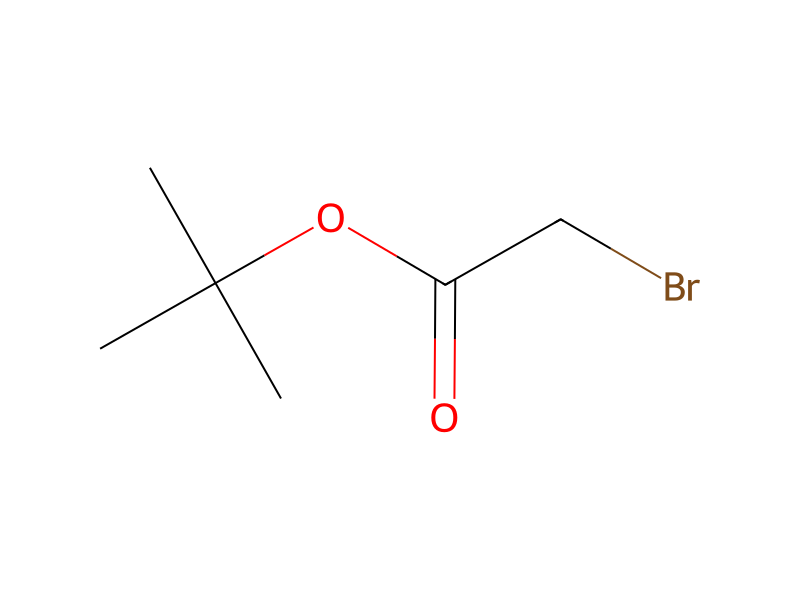
[Cl:1][C:2]1[CH:3]=[C:4]2[C:8](=[CH:9][CH:10]=1)[NH:7][CH:6]=[C:5]2[CH:11]=[O:12].C([O-])([O-])=O.[K+].[K+].Br[CH2:20][C:21]([O:23][C:24]([CH3:27])([CH3:26])[CH3:25])=[O:22]>CCOC(C)=O.O>[C:24]([O:23][C:21](=[O:22])[CH2:20][N:7]1[C:8]2[C:4](=[CH:3][C:2]([Cl:1])=[CH:10][CH:9]=2)[C:5]([CH:11]=[O:12])=[CH:6]1)([CH3:27])([CH3:26])[CH3:25]Participants
6





Procedure
To a suspension of 5-chloro-1H-indole-3-carbaldehyde [827-01-0] (500 mg, 2.78 mmol) and K2CO3 (885 mg, 6.40 mmol) in (14 mL) was added tert-butyl 2-bromoacetate (0.576 mL, 3.90 mmol) dropwise at RT. The resulting mixture was then heated to reflux for 18 h. After cooling to RT, the mixture was diluted with EtOAc and water. The organic layer was separated, subsequently washed with water (1×) and brine (1×), dried (Phase separator) and concentrated in vacuo to give the crude title compound. MS (LC/MS): 294 [M+H]+; tR (HPLC conditions b): 5.45 min. The product was used in the next reaction step without further purification.
Workup
- temperatureThe resulting mixture was then heated
- temperatureto reflux for 18 h
- customThe organic layer was separated
- washsubsequently washed with water (1×) and brine (1×)
- customdried (Phase separator)
- concentrationconcentrated in vacuo
Sources & evidence
- ORD record
- ord-8cca49e54371453e9912362d0f1f746b
- Source dataset
- uspto-grants-2015_07
- Patent number
- US09085555B2
Reaction notes
Loading…