Triethylamine → HCID 69951628, compound
Reaction equation

[CH2:1]([O:8][C:9]([N:11]([CH2:37][CH2:38][CH2:39][CH2:40][C:41]1[CH:42]=[N:43][CH:44]=[CH:45][CH:46]=1)[CH2:12][CH2:13][C:14]1[C:22]2[C:17](=[CH:18][CH:19]=[C:20]([C:23]([CH3:28])([CH3:27])[C:24]([OH:26])=O)[CH:21]=2)[NH:16][C:15]=1[C:29]1[CH:34]=[C:33]([CH3:35])[CH:32]=[C:31]([CH3:36])[CH:30]=1)=[O:10])[C:2]1[CH:7]=[CH:6][CH:5]=[CH:4][CH:3]=1.Cl.[CH:48]12[NH:54][CH:51]([CH2:52][CH2:53]1)[CH2:50][CH2:49]2.C1CN([P+](ON2N=NC3C=CC=CC2=3)(N2CCCC2)N2CCCC2)CC1.F[P-](F)(F)(F)(F)F.C(N(CC)CC)C>C(Cl)Cl.CO.C(Cl)Cl>[CH2:1]([O:8][C:9](=[O:10])[N:11]([CH2:12][CH2:13][C:14]1[C:22]2[C:17](=[CH:18][CH:19]=[C:20]([C:23]([CH3:28])([CH3:27])[C:24]([N:54]3[CH:48]4[CH2:53][CH2:52][CH:51]3[CH2:50][CH2:49]4)=[O:26])[CH:21]=2)[NH:16][C:15]=1[C:29]1[CH:34]=[C:33]([CH3:35])[CH:32]=[C:31]([CH3:36])[CH:30]=1)[CH2:37][CH2:38][CH2:39][CH2:40][C:41]1[CH:42]=[N:43][CH:44]=[CH:45][CH:46]=1)[C:2]1[CH:7]=[CH:6][CH:5]=[CH:4][CH:3]=1Participants




Procedure
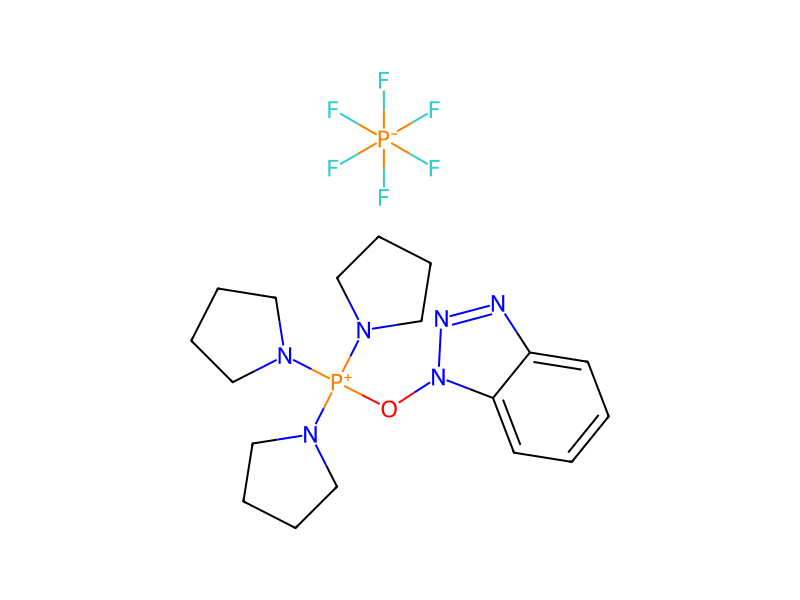
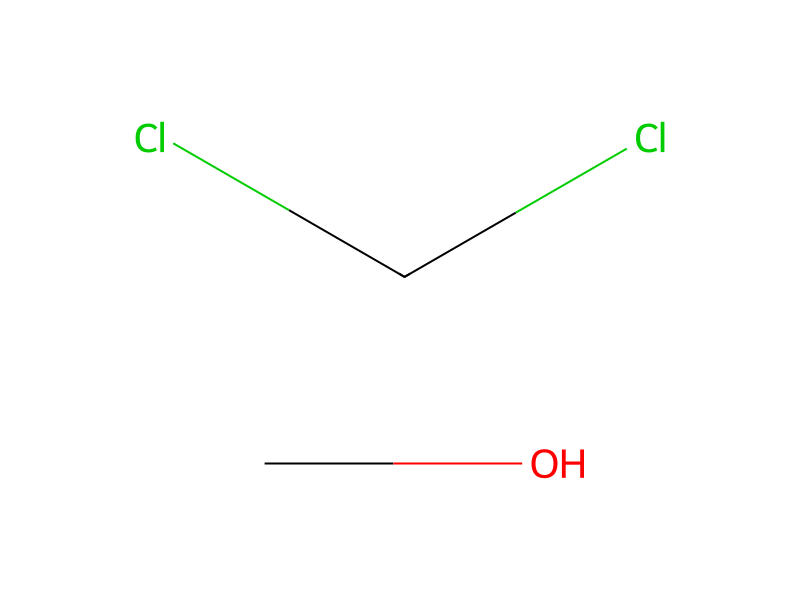
A mixture of of 92.7 mg (0.15 mmol) of 2-[3-[2-[benzyloxycarbonyl-[4-(pyridin-3-yl)butyl]amino]ethyl]-2-(3,5-dimethylphenyl)-1H-indol-5-yl]-2-methylpropionic acid, 80.2 mg (0.6 mmol) of 7-azabicyclo[2.2.1]heptane hydrochloride, 83.2 mg (0.16 mmol) of PyBOP reagent, 0.107 mL (77.8 mg; 0.77 mmol) of triethylamine, and 0.75 mL of dry methylene chloride was stirred at room temperature in a stoppered flask for 48 hours. The solution was then partitioned between 10 mL of ethyl acetate and 10 mL of 0.5 N hydrochloric acid. The organic phase was washed with 10 mL of saturated aqueous sodium bicarbonate solution and then with 5 mL of saturated aqueous sodium chloride solution. The ethyl acetate phase was then dried (magnesium sulfate), filtered, and concentrated in vacuo at room temperature. The residue was purified by preparative TLC on 6 Analtech tapered silica gel plates (20×20 cm), which were developed in 95:5 CH2Cl2-MeOH. The product band from each plate was isolated, combined, and extracted with 95:5 CH2Cl2-MeOH. Concentration of the extracts in vacuo yielded 85.9 mg (82%) of a very pale yellow glass; virtually homogeneous by TLC in 95:5 CH2Cl2-MeOH. 506 MHz 1H NMR (CDCl3) was complex, owing to rotamers, but was consistent with the assigned structure. Mass spectrum (ESI): m/e=697.6 (M+H).
Workup
- customThe solution was then partitioned between 10 mL of ethyl acetate and 10 mL of 0.5 N hydrochloric acid
- washThe organic phase was washed with 10 mL of saturated aqueous sodium bicarbonate solution
- dry with materialThe ethyl acetate phase was then dried (magnesium sulfate)
- filtrationfiltered
- concentrationconcentrated in vacuo at room temperature
- customThe residue was purified by preparative TLC on 6 Analtech
- customThe product band from each plate was isolated
- extractionextracted with 95:5 CH2Cl2-MeOH
- customConcentration of the extracts in vacuo yielded 85.9 mg (82%) of a very pale yellow glass
Sources & evidence
- ORD record
- ord-c8d702177a834ee3847a3186613e0192
- Source dataset
- uspto-grants-2001_03
- Patent number
- US06200957B1
Reaction notes
Loading…