Triethylamine → 2,2,3,3-Tetrafluorocyclobutyl isopropyl ether
Reaction equation

[CH:1]([O:4][C:5]1[C:8]([F:10])([F:9])[C:7]([F:12])([F:11])[C:6]=1Cl)([CH3:3])[CH3:2].C(N(CC)CC)C.[Cl-].[Ca+2].[Cl-]>[C].[Pd].CCOCC>[CH:1]([O:4][CH:5]1[CH2:6][C:7]([F:11])([F:12])[C:8]1([F:9])[F:10])([CH3:3])[CH3:2]Participants
6
Reactant 3

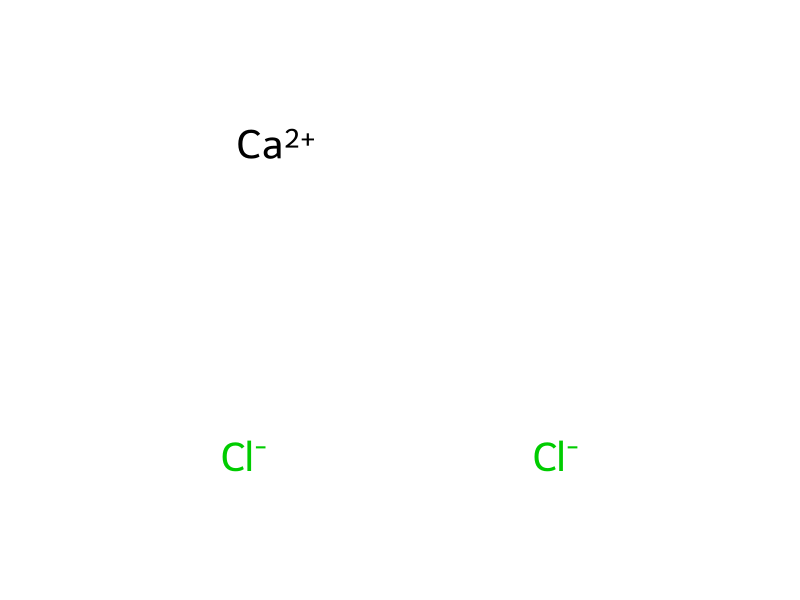

Product 1

Reagents, catalysts & solvents 2


Procedure
To 40 g of 10% strength palladium-carbon under nitrogen a solution of 274 g (1.26 mol) of 2-chloro-3,3,4,4-tetrafluorocyclobutenyl isopropyl ether, 252 g (2.50 mol) of triethylamine, and 1200 ml of ether dried over calcium chloride is added, and the mixture is hydrogenated in a 3 l VA autoclave at 100° C. until the pressure is constant (about 5 hours). The solid is filtered off with suction and washed well with ether, and the filtrate is washed with dilute hydrochloric acid. After drying, the organic phase is distilled.
Workup
- additionis added
- customis hydrogenated in a 3 l VA autoclave at 100° C. until the pressure
- custom(about 5 hours)
- filtrationThe solid is filtered off with suction
- washwashed well with ether
- washthe filtrate is washed with dilute hydrochloric acid
- customAfter drying
- distillationthe organic phase is distilled
Sources & evidence
- ORD record
- ord-661bf16ceace454b89ab8a6f9586ea72
- Source dataset
- uspto-grants-1992_02
- Patent number
- US05087775
Reaction notes
Loading…