2-Bromoethanol → HCID 10247304, compound
Reaction equation

[C:1]([C:5]1[CH:6]=[N:7][C:8]2[C:13]([C:14]=1[NH:15][C:16]1[CH:21]=[CH:20][CH:19]=[CH:18][C:17]=1[CH3:22])=[CH:12][CH:11]=[CH:10][C:9]=2[OH:23])(=[O:4])[CH2:2][CH3:3].[CH3:24][C:25](C)([O-:27])C.[K+].BrCCO>COCCOCCOC>[C:1]([C:5]1[CH:6]=[N:7][C:8]2[C:13]([C:14]=1[NH:15][C:16]1[CH:21]=[CH:20][CH:19]=[CH:18][C:17]=1[CH3:22])=[CH:12][CH:11]=[CH:10][C:9]=2[O:23][CH2:24][CH2:25][OH:27])(=[O:4])[CH2:2][CH3:3]Participants
Reactant 3



Product 1

Reagents, catalysts & solvents 1
Procedure
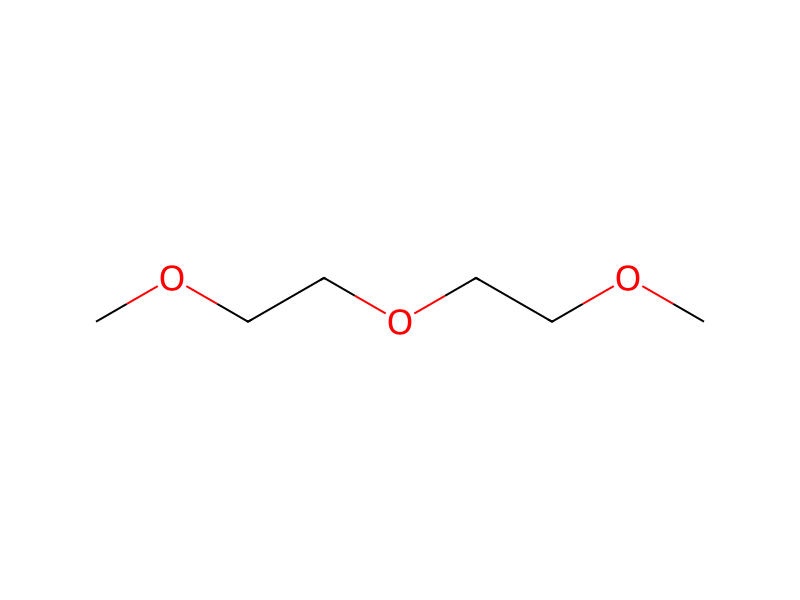
A solution of 3-propanoyl-4-(2-methylphenylamino)-8-hydroxyquinoline (3.06 g, 10 mmol) and potassium t-butoxide (1.68 g, 15 mmol) in diglyme (50 ml) was heated to 150°, a solution of 2-bromoethanol (0.85 ml, 12 mmol) in diglyme (25 ml) added dropwise, then the mixture raised to reflux temperature with vigorous stirring. After 1 hour a further portion of 2-bromoethanol (0.85 ml) was added, and reflux continued for 2 hours. The diglyme was evaporated, the residue taken up in dichloromethane, washed with water and brine, dried and evaporated. Chromatography (silica gel, ethyl acetate/2% acetic acid/2%-5% methanol) and recrystallization from aqueous isobutyl alcohol gave 3-propanoyl-4-(2-methylphenylamino)-8-(2-hydroxyethoxy)-quinoline (0.48 g), m.p. 174°-176°.
Workup
- temperaturethe mixture raised
- temperatureto reflux temperature with vigorous stirring
- temperaturereflux
- customThe diglyme was evaporated
- washwashed with water and brine
- customdried
- customevaporated
- customChromatography (silica gel, ethyl acetate/2% acetic acid/2%-5% methanol) and recrystallization from aqueous isobutyl alcohol
Sources & evidence
- ORD record
- ord-501aec6211fa42a2b7ed4c6f1f4d0007
- Source dataset
- uspto-grants-1992_02
- Patent number
- US05089504
Reaction notes
Loading…