Cysteamine Hydrochloride → 2-(4-Bromophenyl)-1,3-thiazolidine
Reaction equation

[Br:1][C:2]1[CH:9]=[CH:8][C:5]([CH:6]=O)=[CH:4][CH:3]=1.Cl.[NH2:11][CH2:12][CH2:13][SH:14]>C(N(CC)CC)C>[Br:1][C:2]1[CH:9]=[CH:8][C:5]([CH:6]2[NH:11][CH2:12][CH2:13][S:14]2)=[CH:4][CH:3]=1Participants
4
Reactant 2

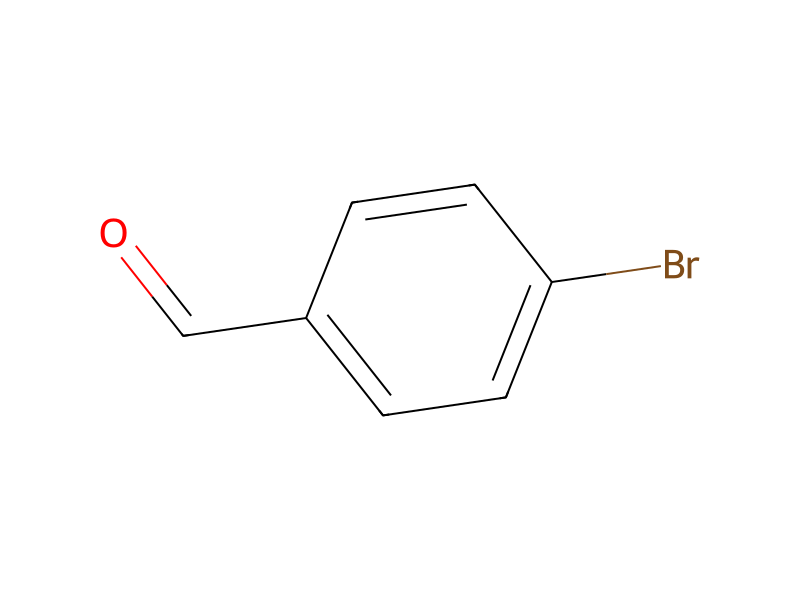
Product 1

Reagents, catalysts & solvents 1

Procedure
The procedure of Example 1 was repeated, except that the reactants consisted of 18.5 g. of 4-bromobenzaldehyde and 27 g. of 2-aminoethanethiol hydrochloride, and the reaction mixture also contained 10 ml. of triethylamine. Since removal of solvent left a solid residue, the material was recrystallized from benzene/hexane to give 2-(4-bromophenyl)thiazolidine, m.p. 105°-7°. The following elemental analysis was obtained:
Workup
- customSince removal of solvent
- waitleft a solid residue
- customthe material was recrystallized from benzene/hexane
Sources & evidence
- ORD record
- ord-1d70d3d5ba834942b2e431e7f6bb1991
- Source dataset
- uspto-grants-1981_09
- Patent number
- US04289766
Reaction notes
Loading…